
Welcome to the ultimate travel guide for Melbourne, a city as vibrant as it is diverse. Whether you’re planning your first trip down under or looking for insider tips, this guide covers it all — from iconic laneways and street art to world-class sport at the Melbourne Cricket Ground. Let’s dive in.
Planning Your Visit
How many days do you need?
Four nights in Melbourne will let you experience the city’s primary offerings, from its bustling laneways to its iconic sports venues. If you want to venture beyond the city — to the Yarra Valley or along the Great Ocean Road — extend your stay to enjoy those excursions fully. Balance your time between the urban core and the region’s captivating day trips.
How expensive is Melbourne?
Melbourne can be pricey. With hidden-laneway cafés, vibrant arts festivals, and packed sporting events, it’s a top spot for tourists — but your wallet will feel the strain, especially if you lean into the cosmopolitan side of the city.
Budget for one week in Australia
For a seven-day trip, budget roughly AU$1,400 (approximately USD $945). This covers accommodation, local transport, meals, and entry to key sights. Your actual spend will vary depending on how much you lean towards luxury or budget travel.
How to prepare for your trip
Book for at least a week rather than a long weekend to properly explore the city. Melbourne’s unpredictable weather means layering is essential — bring something waterproof and something warm. Get a Myki card on arrival for seamless access to trams, trains, and buses. Stand on the left on escalators and look out for tram stops in the middle of the road. For longer regional journeys, budget coach and train options are available for as little as $10.
Do you need a car?
In Melbourne itself, no. The public transport network covers most attractions across the city and inner suburbs. However, if you plan to visit places like Phillip Island (penguins) or the Yarra Valley wineries, hiring a car gives you much more flexibility.
Top Things to Do
First-time visitors
- Yarra River cruise for a unique perspective on the city
- Laneways — explore Hosier Lane, AC/DC Lane, and Degraves Street
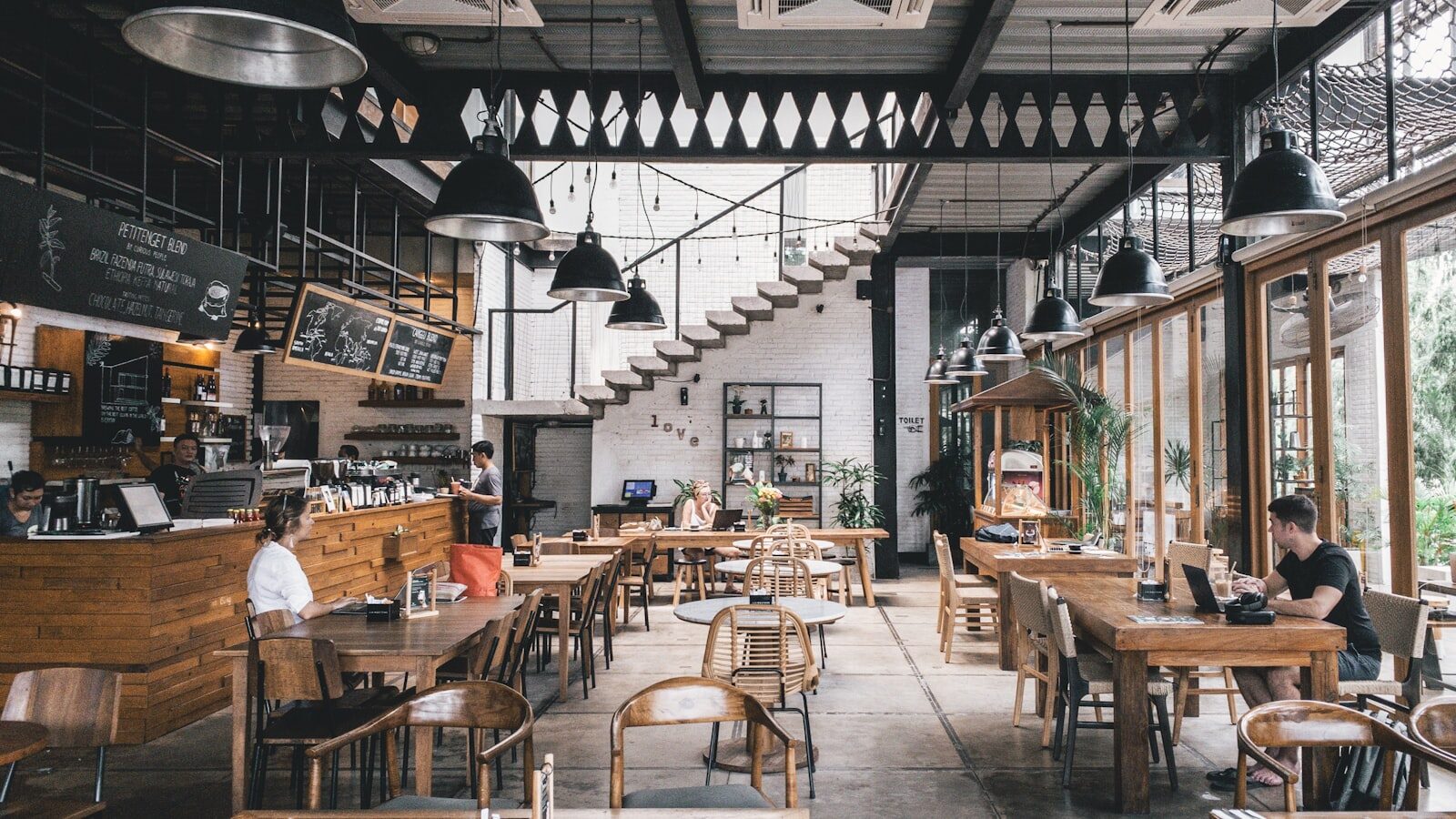
- Flat white or artisanal café in a tucked-away laneway
- Shrine of Remembrance — a solemn and powerful memorial
- Melbourne Skydeck for panoramic city views
- Brighton Beach boxes — the colourful bathing boxes are iconic
- Great Ocean Road — a full day drive along the coast
- Melbourne Cricket Ground (MCG) — a cathedral of Australian sport
Is Melbourne walkable?
Highly walkable, especially in the CBD. The grid layout and manageable scale make it easy to stroll between the Royal Botanic Gardens, Federation Square, and the National Gallery of Victoria. Much of the best of Melbourne is accessible on foot.
Best way to get around
The tram network is Melbourne’s signature transport — free in the CBD zone and a genuine experience in itself. Trains connect the suburbs efficiently. Buses fill the gaps between neighbourhoods. Each journey adds to your sense of the city.
Weather and Best Time to Visit
Best months to visit
March–May (autumn) and September–November (spring) offer the most pleasant conditions — mild temperatures, manageable crowds, and lower flight prices. These shoulder seasons are ideal for outdoor exploration and cultural events.
Cheapest time to visit
The same shoulder months apply. You’ll avoid peak-season pricing on flights and accommodation while still enjoying good weather and a full calendar of events.
What to wear
Layers are non-negotiable. Melbourne is famous for experiencing four seasons in one day. Carry a compact umbrella and a windproof jacket regardless of season. In winter, a scarf and gloves are useful; in summer, pack a light cardigan and sunhat for evenings and gardens.
Rainy season
Spring — particularly October — sees the most frequent showers, with rain on roughly 10 days during the month. Plan for intermittent weather if visiting in spring.
What Melbourne Is Famous For
Melbourne is renowned for its eclectic mix of cultures, heritage architecture, cutting-edge design, and one of the world’s most dynamic food and café scenes. It’s a city that draws parallels with New York and Paris for its arts and culture output, while remaining distinctly Australian in character.
Key landmarks and cultural institutions include:
- Melbourne Cricket Ground (MCG) — iconic in the global sports community
- National Gallery of Victoria — Australia’s largest and oldest public art museum
- Royal Exhibition Building — a UNESCO World Heritage Site
- Federation Square — a hub for arts, culture, and events
- The laneways — a constantly evolving gallery of street art and independent business
The city’s passion for food, coffee, live music, and sport makes it a destination that rewards return visits. Every corner offers something new to discover.