
Are you ready to embark on a virtual journey to explore the enchanting landscapes of Timor-Leste? In this detailed map guide, we uncover the captivating treasures of this Southeast Asian gem. Whether you’re planning an adventure or simply curious about this stunning country nestled in the Indonesian archipelago, get ready to discover the allure of Timor-Leste — its rich history, breathtaking scenery, and captivating experiences.
Geography and Identity
Which country is Timor-Leste in? Timor-Leste, also known as the Democratic Republic of Timor-Leste, is situated in Southeast Asia on the southernmost tip of the Indonesian archipelago, just northwest of Australia. Its capital city is Dili. The country covers an area of approximately 15,000 sq km and offers a unique blend of culture and natural beauty.
What does Timor Lorosae mean? The name Timor-Leste literally means “Eastern-East” in Portuguese, deriving from the Indonesian and Malay word timur, meaning “east”. In the local Tetum language it is rendered as Timor Lorosa’e, meaning “East Rising Sun” — a phrase that beautifully captures the country’s location and heritage.
What is the meaning of Timor? Timor is an island at the heart of the Malay Archipelago and the largest and most eastern of the Lesser Sunda Islands in Indonesia. Its name reflects the rich history and cultural significance of the island across the Indo-Pacific region.
Why is Timor-Leste split in two? The division of Timor-Leste dates to the 17th century when the Dutch took control of the western part of the island. In 1859, a treaty between the Dutch and Portugal formalised the border, creating Portuguese Timor (Timor-Leste) in the east and Dutch Timor in the west.
History and Heritage
Who owned Timor-Leste? Timor-Leste was under Portuguese influence for centuries, formally becoming a Portuguese colony until 1975. Following independence, the region experienced internal conflict and a subsequent Indonesian invasion and annexation that lasted until 1999.
What was Timor-Leste previously called? Timor-Leste was formerly known as East Timor. It was a Portuguese colony until 1975, then under Indonesian sovereignty from 1976 to 1999, before achieving internationally recognised independence in 2002.
Who first reached Timor-Leste? The Portuguese were the first Europeans to reach the area, arriving around 1512–1515. They were among the earliest to explore and document the region’s landscapes and peoples.
Chinese-Timorese community Around 4,000 Chinese-Timorese currently reside in Timor-Leste. Before 1975 the community numbered approximately 8,000, but many departed during Indonesia’s occupation. Those who remained — along with diaspora members abroad — continue to contribute to the country’s multicultural identity.
Why Visit Timor-Leste
What is Timor-Leste famous for? Timor-Leste has emerged as an exciting destination for travellers seeking something off the beaten path. Its highlights include:
- Stunning coral reefs and rich marine biodiversity within the Coral Triangle
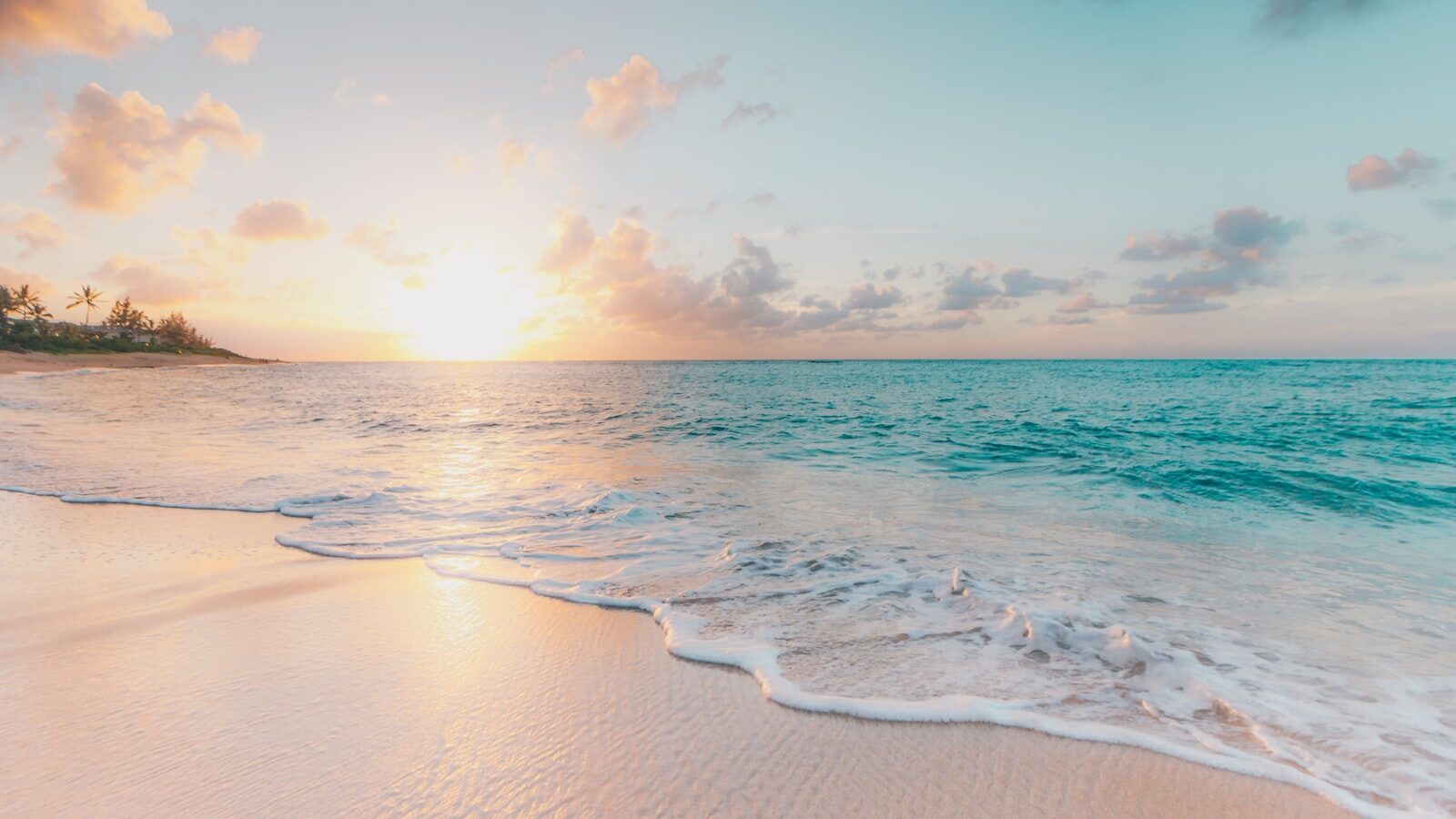
- Picturesque, unspoiled beaches
- Dramatic mountain landscapes
- A rich and layered cultural heritage
Marine life and diving Timor-Leste sits within the Coral Triangle, one of the most biodiverse marine environments on Earth. The waters are home to:
| Feature | Detail |
|---|---|
| Reef-building corals | Exceptional diversity and coverage |
| Reef fish species | Over 2,000 species recorded |
| Marine turtle species | 6 out of 7 species found worldwide |
Is it worth visiting? With superb diving, friendly locals, and unspoiled scenery, Timor-Leste is a rewarding destination for travellers willing to venture beyond the well-trodden tourist trail. Its charm lies precisely in what it is not — crowded or over-commercialised.
Safety considerations Travellers should exercise reasonable caution, as some areas have limited healthcare infrastructure and petty crime can occur. Staying informed through official travel advisories and taking standard precautions will help ensure a safe and enjoyable visit.
Cost of travel Timor-Leste tends to be relatively expensive compared to neighbouring countries, owing to its small market size and limited economies of scale. Import costs are high, which is reflected in accommodation, food, and goods prices.
Economic context Timor-Leste is one of the less wealthy nations in East Asia, with oil and gas comprising the majority of GDP and government revenue. The country faces challenges including limited water access, limited crop diversity, and the effects of climate change — factors that contribute to food and nutrition insecurity affecting more than 50 per cent of children under five.
Conclusion
From its roots as a Portuguese colony to its breathtaking coral reefs and mountain highlands, Timor-Leste is a destination of remarkable depth. While challenges around cost and infrastructure exist, the country’s unspoiled landscapes, rich cultural heritage, and warm hospitality combine to make it a genuinely unique and worthwhile place to visit. For travellers seeking an authentic, off-the-beaten-path experience in Southeast Asia, Timor-Leste delivers.