
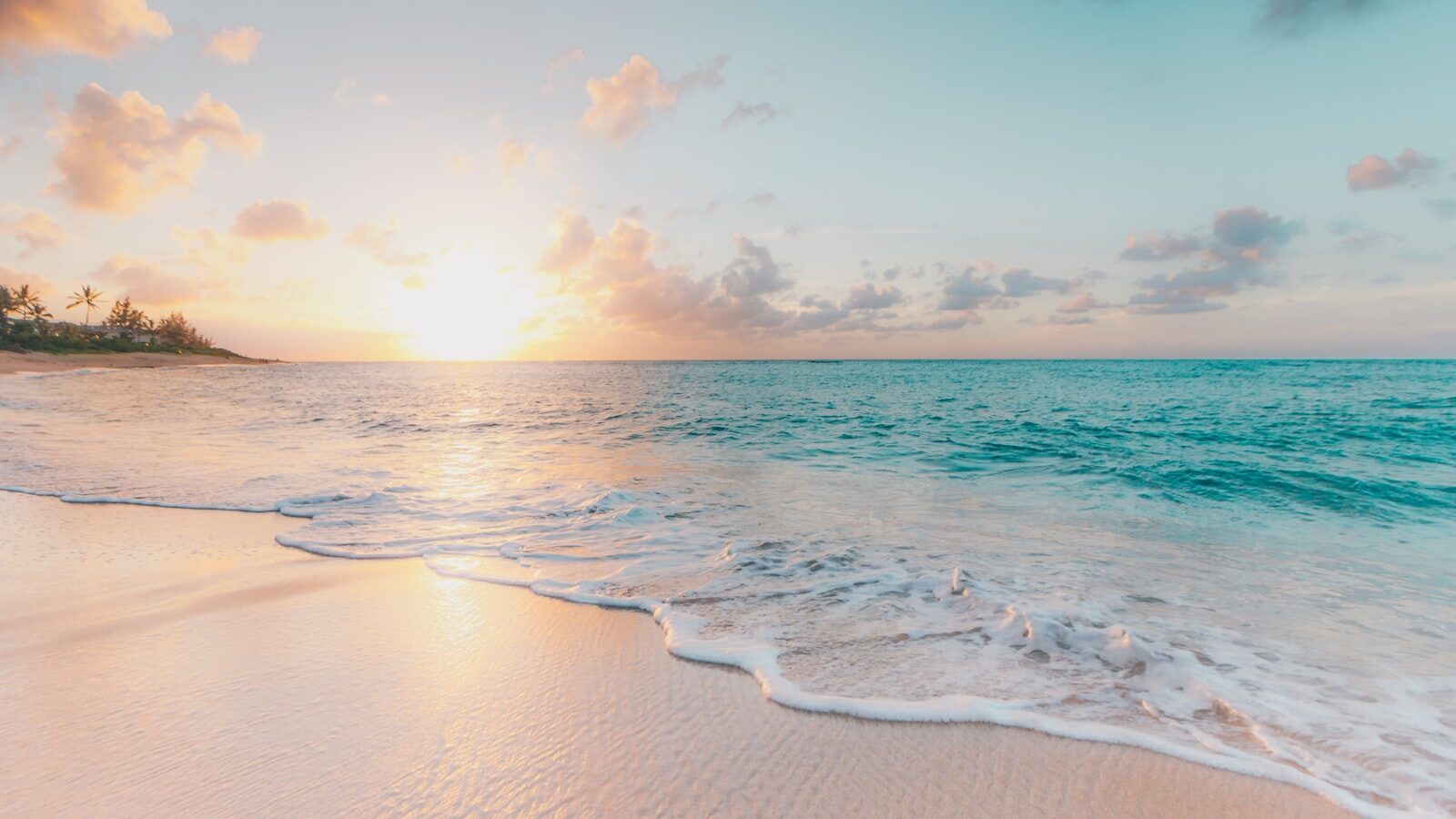
Interested in learning about Timor-Leste’s weather? Whether you’re planning a trip or just want to understand this tropical destination better, this guide covers the climate, best travel months, costs, safety, and local essentials.
Climate and Seasons
What is the climate in Timor-Leste?
Timor-Leste has a tropical climate. Temperatures along the coastlines typically range between 25–35 °C, with warm beach weather year-round. The highlands are noticeably cooler and sometimes misty, offering a refreshing contrast.
The country follows two main seasons:
| Season | Months | Conditions |
|---|---|---|
| Dry season | May – November | Low rainfall, clear skies, ideal for travel |
| Wet season | December – April | Frequent downpours, lush landscapes |
In the southern regions, the wet season can extend up to nine months.
What is the climate of Dili?
Dili has a tropical savanna climate:
- Wet season: November – April, with frequent and heavy rainfall
- Dry season: May – October, with little to no rain
Pack accordingly for whichever season you plan to visit.
Planning Your Visit
Best time to visit Timor-Leste
The dry season — May through November — offers the most comfortable travel conditions with minimal rainfall disruption.
If whale watching is on your itinerary, September to November is prime season for spotting these marine giants offshore.
How long can I stay?
- Initial stay: 30 days on arrival
- Maximum extension: Up to 90 days total
- Visa types: Single-entry or multiple-entry, valid for one year
How much does it cost to visit?
Timor-Leste is slightly more expensive than many of its Southeast Asian neighbours. Budget roughly USD 40 per day as a baseline.
| Expense | Notes |
|---|---|
| Public transport | Very affordable — bus fares are among the cheapest |
| Accommodation | Higher than typical Southeast Asian budget rates; homestays offer better value |
| Food | Local markets and warungs are inexpensive |
Is it expensive to live in Timor-Leste?
Living costs are relatively low. With a Cost of Living Index of 53.17 (where New York = 100), day-to-day expenses — housing, groceries, and transport — are manageable for long-term residents and expats.
Safety and Health
Is Dili safe?
Dili is generally safe during daylight hours. Key precautions:
- Stay alert after dark, particularly when travelling alone
- Avoid large gatherings near Tasi Tolu and Comoro, which can be unpredictable
- Petty theft increases at night; keep valuables secured
- Lock accommodation thoroughly — break-ins are uncommon but do occur
Can you drink tap water in Timor-Leste?
No — tap water is not safe to drink. Options include:
- Boiling tap water before consumption
- Chemical purification tablets
- Bottled water, which is widely available and inexpensive throughout the country
Are there crocodiles in Timor-Leste?
Crocodiles are present in Timor-Leste, particularly in southern coastal and river areas. They are far less common in the north, including Dili. Exercise caution near rivers, estuaries, and remote coastal areas, and heed local advice before swimming outside of known safe zones.
About Timor-Leste
What is Timor-Leste known for?
Timor-Leste sits within the Coral Triangle — one of the most biodiverse marine regions on Earth. Highlights include:
- Over 600 species of coral formations
- More than 2,000 species of reef fish
- Habitat for 6 of the world’s 7 sea turtle species
This makes it one of the top diving and snorkelling destinations in Southeast Asia.
What is the largest city?
Dili is the capital and largest city, home to over 220,000 people. It sits on the northern coast and serves as the country’s political, economic, and cultural centre.
How old is Timor-Leste?
Timor-Leste declared formal independence on 20 May 2002, following centuries of Portuguese colonial rule and a subsequent period of Indonesian administration. It is one of the youngest nations in the world.
Summary
Timor-Leste offers a compelling mix of tropical climate, extraordinary marine biodiversity, affordable living, and rich cultural heritage. The dry season (May–November) is the best time to visit for most travellers, with September–November ideal for whale watching. Drink only bottled or purified water, take standard urban safety precautions in Dili, and you’re well set for an rewarding trip.