
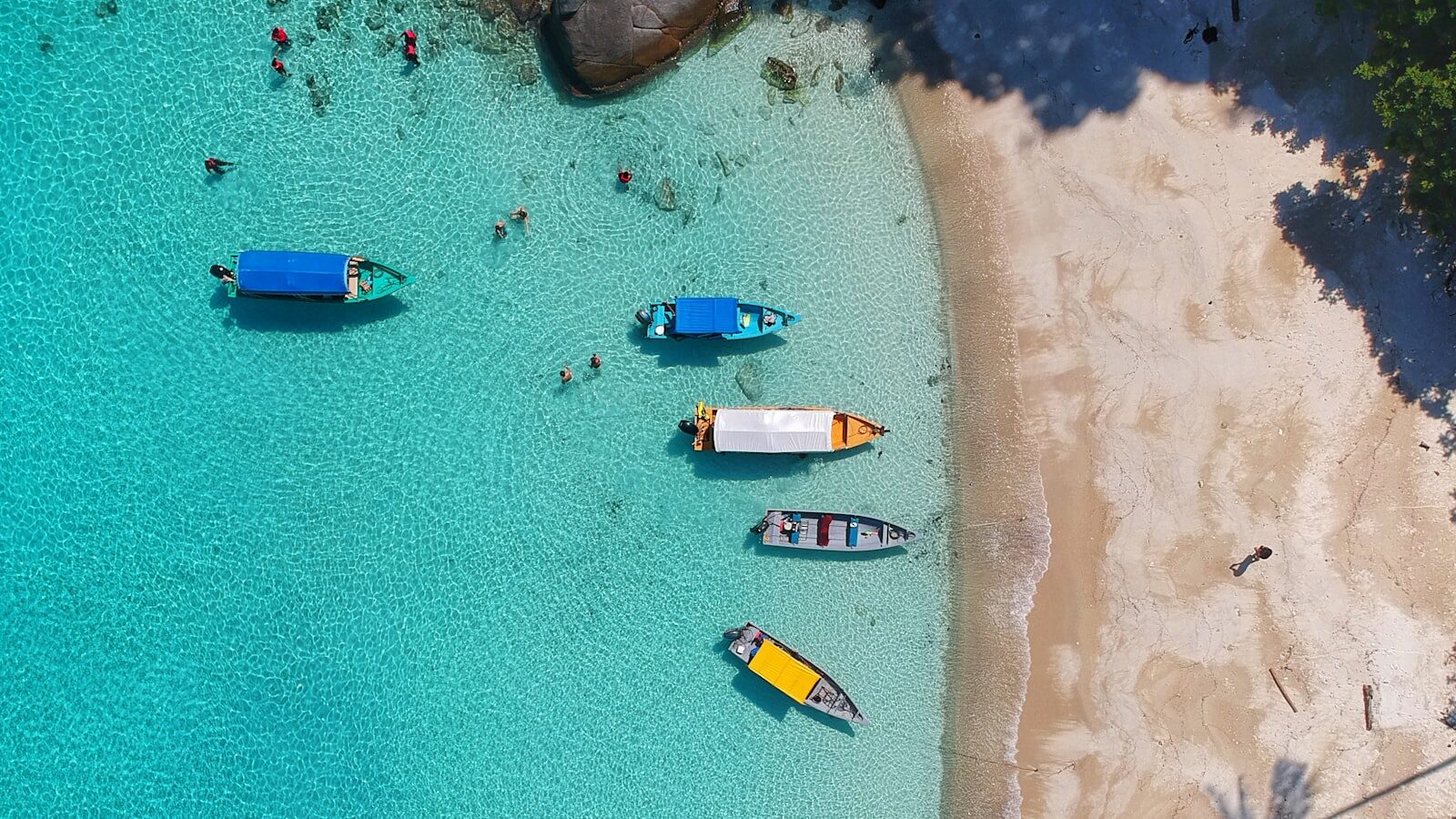
Jaco Island is a pristine sanctuary nestled off the eastern tip of Timor-Leste, revered by Indigenous communities and largely untouched by modern development. If you’re seeking untouched natural beauty and genuine adventure, Jaco Island is one of East Timor’s most rewarding destinations — a place where time slows down and the ocean is nothing short of magical.
What Makes Jaco Island Special
Jaco Island sits within the Los Palos district, where the Timor Sea meets the Banda Sea. It is a small, uninhabited islet protected by both law and local tradition — overnight stays are not permitted, as the island holds deep sacred significance for surrounding Indigenous communities.
Key facts about the island:
- Location: Eastern extremity of Timor-Leste, close to Tutuala Beach
- Status: Uninhabited and protected sacred site
- Access: Day trips only; no permanent lodging on the island
- Nearest base: Tutuala village or guesthouses along the Timorese coast
Its proximity to Tutuala Beach makes it accessible for day-trippers, and the combination of protected status and remoteness is precisely what keeps it pristine.
Wildlife and Nature
Birds
Jaco Island supports a remarkable variety of bird species adapted to its dry tropical environment:
| Species | Notes |
|---|---|
| Bar-necked cuckoo-dove | Common throughout the island |
| Black cuckoo-dove | Found in forest margins |
| Pink-headed imperial pigeon | Striking and unmistakable |
| Streak-breasted honeyeater | Adds a melodious presence |
| Fawn-breasted whistler | Heard throughout the scrub |
| Blue-cheeked flowerpecker | Small and dazzling |
| Flame-breasted sunbird | Vivid and active |
| Timor sparrow | Hardy and widespread |
Mammals and Marine Life
Monkeys are regularly spotted during mangrove tours. The surrounding waters host vibrant coral ecosystems and marine life visible from tidepools that emerge at mid and low tide — a calm, accessible way to observe coastal species without diving equipment.
Vegetation
The island’s lowlands are blanketed in scrub and grass, dotted with coconut palms and towering eucalyptus. Jaco supports a tropical dry deciduous forest interlaced with coastal strand flora, making it a draw for eco-tourists and botanists. Natural features include bubbling hot springs and mountain streams.
Climate
Jaco Island has a tropical climate with distinct wet and dry seasons.
| Period | Daytime High | Night Low |
|---|---|---|
| November | ~31°C | — |
| March (peak) | ~34°C | — |
| December (nights) | — | ~21°C |
| April (nights) | — | ~23°C |
The cooler, drier months between May and October are generally the most comfortable for visits.
Practical Tips for Visiting
Getting There
Dili is the main entry point to Timor-Leste and the practical starting hub for any eastward journey. From Dili, travel east through the Los Palos district to reach Tutuala, the departure point for Jaco Island.
Accommodation
There is no accommodation on Jaco Island itself. Nearby options include:
- Guesthouses along the Timorese coast — rates typically between $20–$35 per night
- Some coastal guesthouses offer hammock sleeping on the beach for a more immersive experience
- Local arrangements may allow camping on the island for an additional fee, subject to community permission
Swimming and Snorkelling
The tidepools that form at mid and low tide offer sheltered, calm spots for swimming and observing marine life. The waters around Jaco are clear and rich with coral, making snorkelling a highlight of any visit.
Respect the Sacred Status
Jaco Island is not simply a nature reserve — it is a living sacred site. Visitors should follow all guidance from local communities, avoid removing any natural materials, and adhere strictly to the day-trip-only policy.
Summary
Jaco Island rewards those willing to make the journey east. Its protected status has preserved beaches, forest, and marine ecosystems that are increasingly rare in the region. Whether the draw is birdwatching, snorkelling, or simply standing on an undisturbed shore, Jaco delivers an experience that few destinations in Southeast Asia can match.