
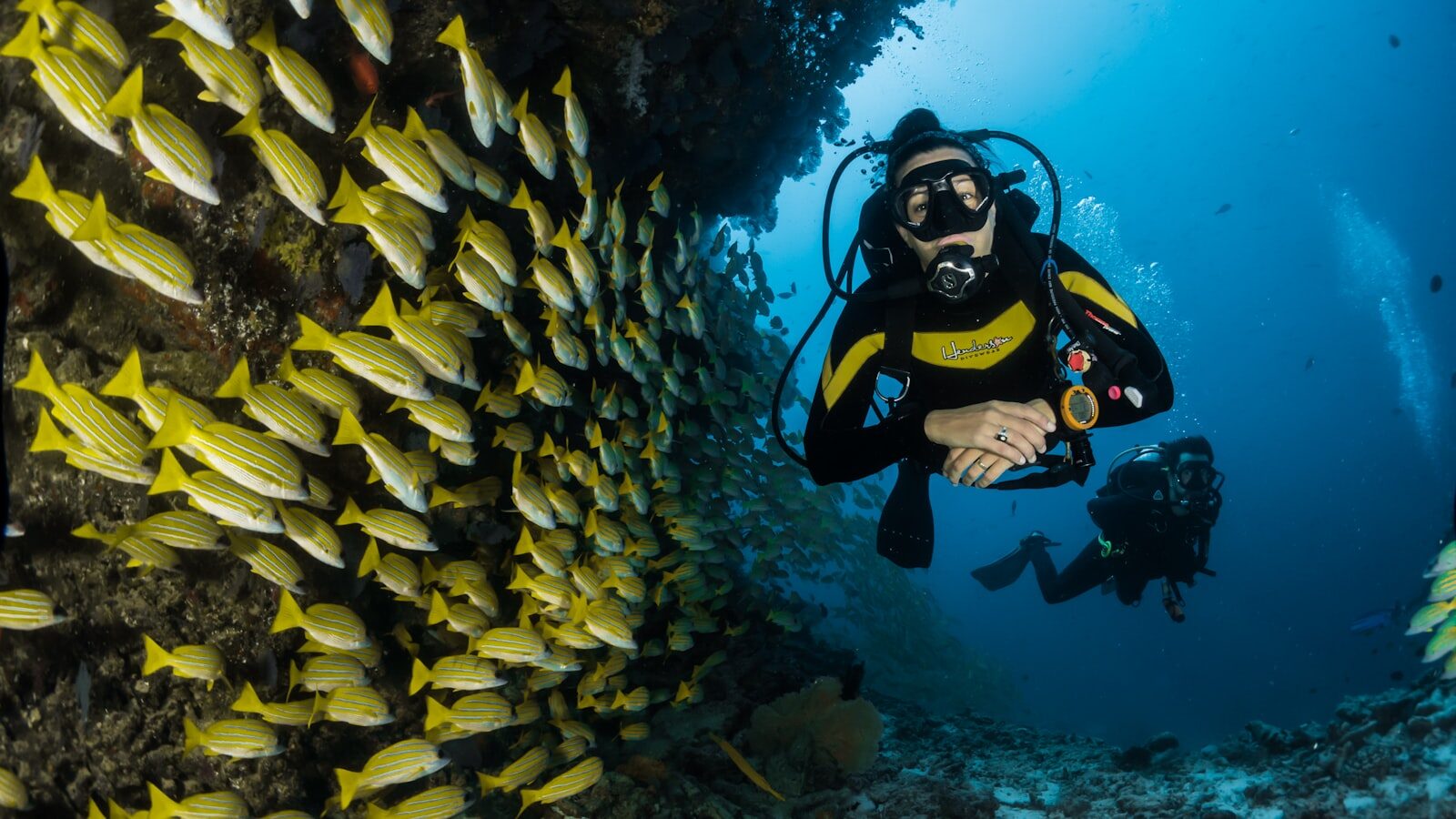
In Timor-Leste, ecotourism is a growing trade and is enabling coastal communities to diversify their livelihoods. In Beto Tasi, a semi-rural community located on the fringe of the capital of Dili, families are now opening the doors of their new homestay businesses. Inspired by a learning exchange with the Atauro Homestay Association facilitated by marine conservation organisation Blue Ventures, families from Beto Tasi are honing their hosting skills and welcoming guests from across the country into their homes.
Ecotourism as a Path Forward
The Beto Tasi community has long relied on fishing as its primary livelihood. However, with declining fish stocks and the growing pressure on coastal resources, families have been looking for ways to supplement their income without further depleting the marine environment. Homestay ecotourism offers a promising alternative — one that rewards the community for protecting, rather than extracting from, the sea.
The Atauro Homestay Association has been a model for this kind of community-based tourism in Timor-Leste. Atauro Island, renowned for having the world’s most biodiverse waters according to a 2016 Conservation International survey, has shown how ecotourism and marine conservation can go hand in hand. The learning exchange between Atauro and Beto Tasi communities brought those lessons closer to the capital.
Blue Ventures Support
Blue Ventures, the marine conservation organisation facilitating the exchange, works to rebuild tropical fisheries with coastal communities. Their approach combines science-based conservation with economic development, recognising that protecting the ocean only works when local people have alternative ways to earn a living.
To read the full story, visit the Blue Ventures blog.