
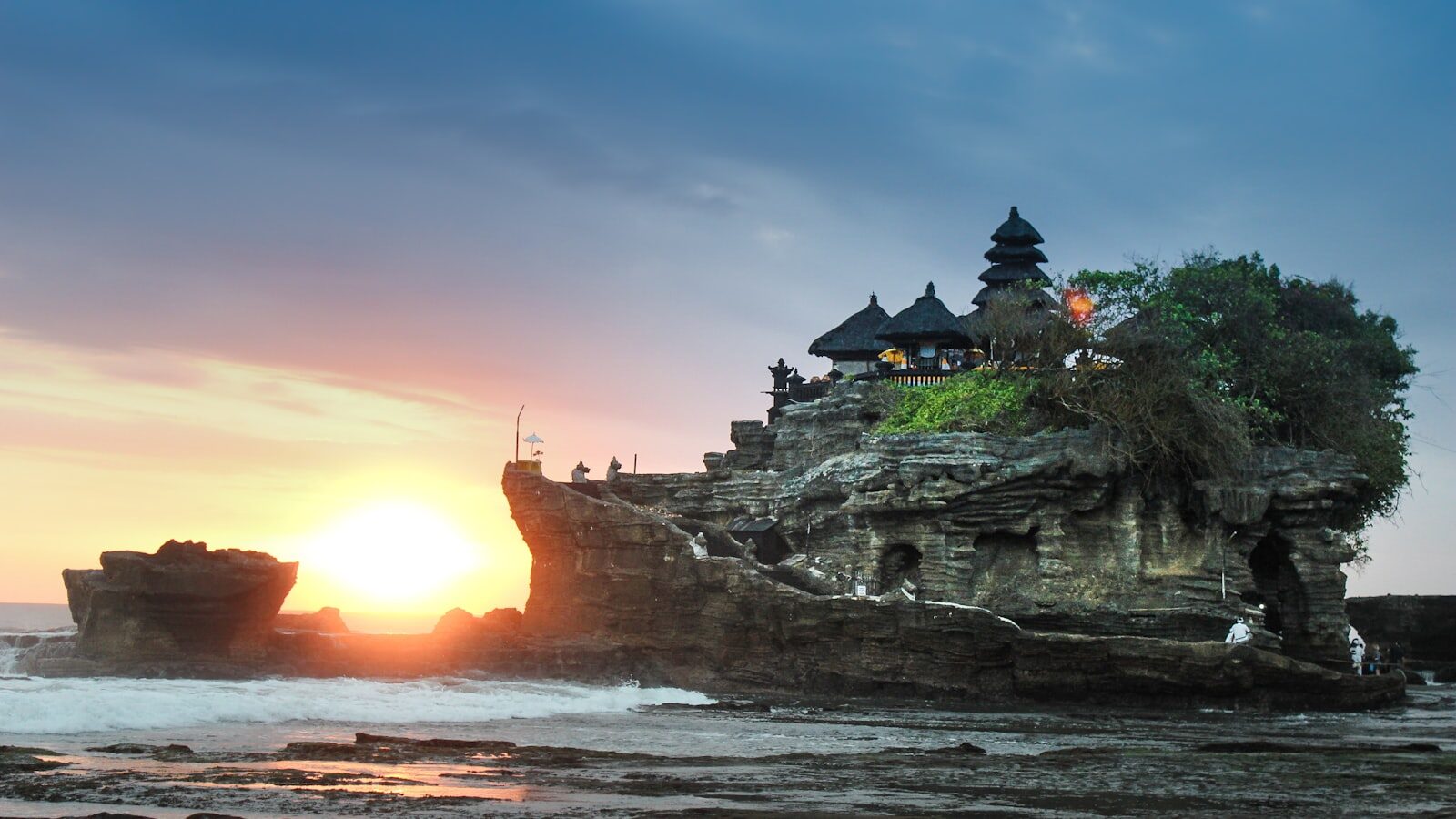
Welcome to the captivating world of Timor-Leste! As we embark on this journey to uncover the charms of this nation, we’ll be delving into the heart of Dili, the dynamic capital that holds within its vibrant streets a tapestry of history, culture, and natural beauty. This article will illuminate the intricate fabric of this Southeast Asian gem, offering insights into the allure of Timor-Leste and the captivating spirit of its people. So, let’s delve into the essence of Dili, the capital of Timor-Leste, and explore all that this remarkable destination has to offer.
History and Identity of Timor-Leste
Is Timor-Leste an independent country? Yes. Timor-Leste, also known as East Timor, gained formal independence in 2002. Prior to this, it was a Portuguese colony until 1975 and then under Indonesian sovereignty from 1976 to 1999. Today it is an independent nation in Southeast Asia.
Who owns Timor? The island of Timor is divided between two sovereign entities: Indonesia, whose western half has Kupang as its provincial capital, and the independent nation of Timor-Leste, with Dili as its capital. This division dates to the island’s history as a former Portuguese territory.
What is the difference between Timor and Timor-Leste? The word Timor is derived from timur, meaning “east” in Indonesian — which creates a tautological place name meaning “East East.” Timor-Leste is the official name of the independent country, using the Portuguese word for east. This linguistic nuance reflects the region’s layered colonial and cultural history.
Why is Timor divided? The division of Timor stems from centuries of rivalry between the Dutch and Portuguese for control over the island. A formal treaty in 1859 established the boundary in principle, but the matter was only fully resolved in 1912.
Who discovered Timor-Leste? Portuguese traders were the first Europeans to reach Timor-Leste, landing near what is now Pante Macassar between 1512 and 1515.
What does “Timor” mean? Timor means “east” in Indonesian. The island sits in the Malay Archipelago as the largest and most eastern of the Lesser Sunda Islands.
Economy, Currency, and Practical Facts
Is Timor-Leste a rich or poor country? Timor-Leste remains one of the less affluent nations in East Asia, relying heavily on external assistance. Key economic indicators include:
| Metric | Figure |
|---|---|
| Share of GDP from oil and gas | ~90% |
| Share of government revenue from oil and gas | ~70% |
These figures highlight the country’s significant dependence on extractive industries and the ongoing challenge of diversifying its economy.
Why is Timor-Leste expensive? Dili tends to have higher costs than many other cities in the ASEAN region. The main drivers are:
- Small domestic market with limited economies of scale
- High trade and logistics expenses
- Underdeveloped local production capacity
These factors are common among small developing nations and make everyday goods and services comparatively pricey.
How does Timor-Leste compare in size to Singapore?
| Country | Area |
|---|---|
| Timor-Leste | ~14,870 km² (5,741 sq mi) |
| Singapore | ~700 km² (270 sq mi) |
Timor-Leste is approximately 21 times larger than Singapore.
What is the currency of Timor-Leste? The official currency is the United States dollar (USD). This was adopted in 2000 under the United Nations Transitional Administration in East Timor (UNTAET), primarily for its global stability and widespread acceptance. The decision was formalised by the National Consultative Council (NCC).
How large is the Chinese community in Timor-Leste? Approximately 4,000 Chinese individuals currently reside in Timor-Leste. Before 1975, the community numbered around 8,000, but many departed during Indonesia’s occupation. In recent years, around 4,000 Chinese-Timorese have returned, while others continue to live abroad.
Why Visit Timor-Leste?
What is Timor-Leste famous for? Timor-Leste has been growing in reputation as a travel destination, celebrated for:
- Coral reefs — among the most pristine in Southeast Asia
- Beaches — uncrowded and scenically striking
- Rugged mountains — offering dramatic inland landscapes
- Cultural heritage — a unique blend of Timorese, Portuguese, and Indonesian influences
What challenges does Timor-Leste face? Travellers should be aware that Timor-Leste continues to grapple with serious development challenges, including government accountability gaps, gender-based violence, and child labour issues. Engaging responsibly with local communities and supporting ethical tourism operators makes a meaningful difference.
Conclusion
Timor-Leste stands as a captivating destination with a rich cultural heritage and stunning natural beauty. While facing economic challenges, the country’s allure lies in its picturesque beaches, striking coral reefs, and rugged mountains. Dili, its capital, remains a fascinating and vibrant city, drawing the attention of travellers seeking to uncover the charms of this Southeast Asian nation.