
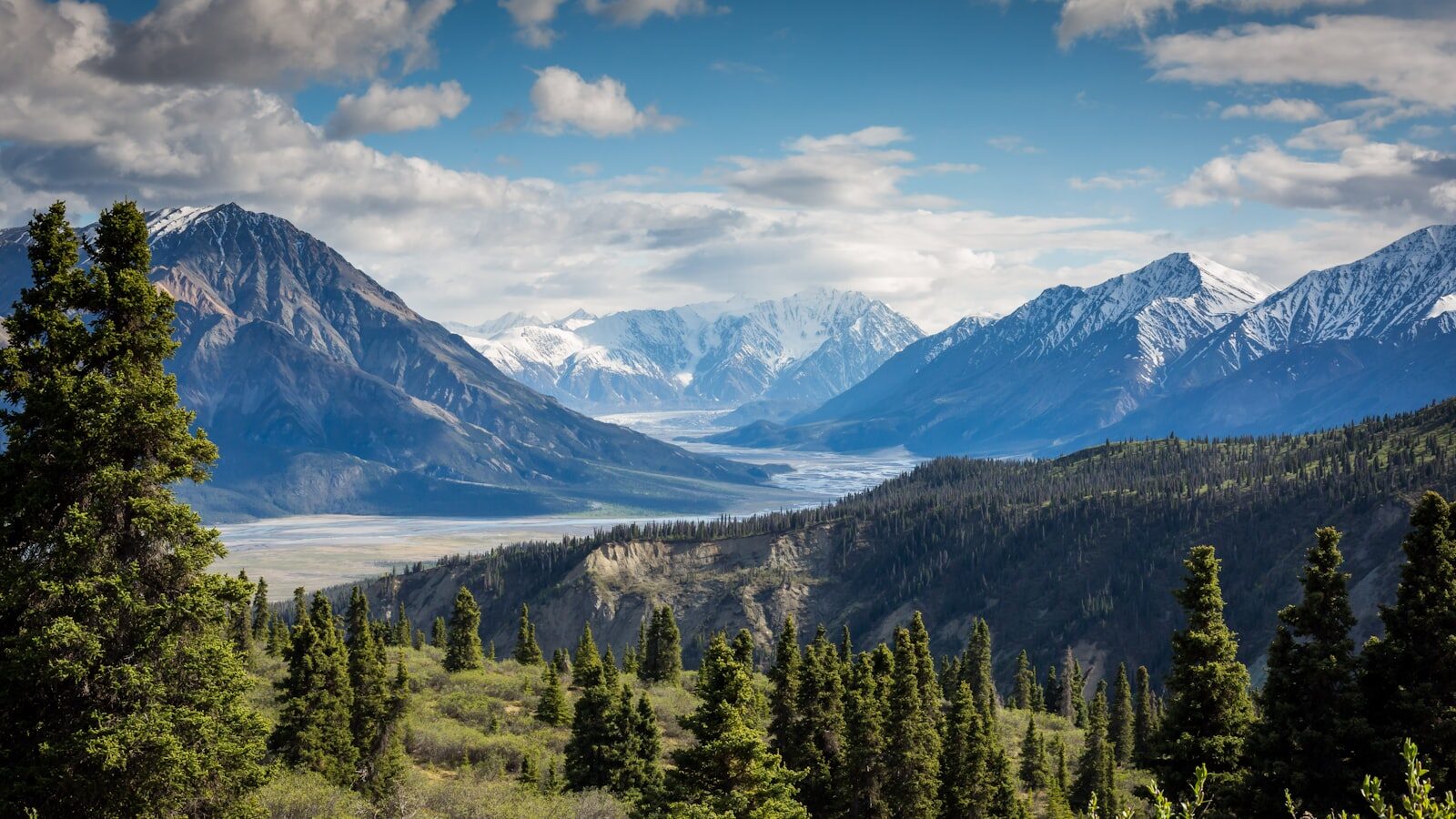
Mount Ramelau — known in Tetum as Foho Tatamailau — is the highest mountain on the island of Timor and the highest point in Timor-Leste, rising to 2,963 m above sea level.
Location and Access
The mountain is located approximately 120 km south of the capital Díli, in the sub-district of Hatu Builico, district of Ainaro. It is easily scalable in three to four hours from Hatu Builico. On a clear day, you can see virtually the whole country from the summit.
Name and Meaning
| Name | Language / Origin | Meaning |
|---|---|---|
| Tatamailau | Mambai dialect | ”Grandfather of all” |
| Ainaro | Mambai dialect | ”High tree” |
| Hatu Builico | Mambai dialect | ”Loose stone” |
| Ramelau | Indonesian (occupation era, 1975–1999) | Administrative designation |
Mambai is one of the many languages of East Timor and the native tongue of the Ainaro region.
Historical Significance
During the Portuguese colonial period, Tatamailau was considered the highest mountain in the Portuguese Empire. Today it remains the highest point of all former Portuguese colonies, with the exception of Brazil (whose highest peak, Pico da Neblina, reaches 2,994 m).
Spiritual Beliefs
According to local belief, when a native of the Ainaro region dies, his spirit travels to the summit of Tatamailau. This sacred role is reflected in the words of Nobel Peace Prize laureate José Ramos-Horta:
“Ramelau: The sacred Mountain where the souls of the dead gather before journeying on to Heaven. It is also there where our deceased Leaders gather when a crisis befalls Timor to explore possible paths back to Peace.”
“When someone dies, the soul is released from the body and flies to Mount Ramelau. There in Mount Ramelau he/she will wait for a minute or two, or an hour or two, and if the soul had been cleared of any capital sin, the Good Angel will descend from Heaven and lovingly hold by the hand and guide him/her to Heaven. However, if the person had committed profane sins and died in sin, it will be the damned Satan who will drag the sinful soul to the eternal flames.”
— José Ramos-Horta, June 20, 2016