
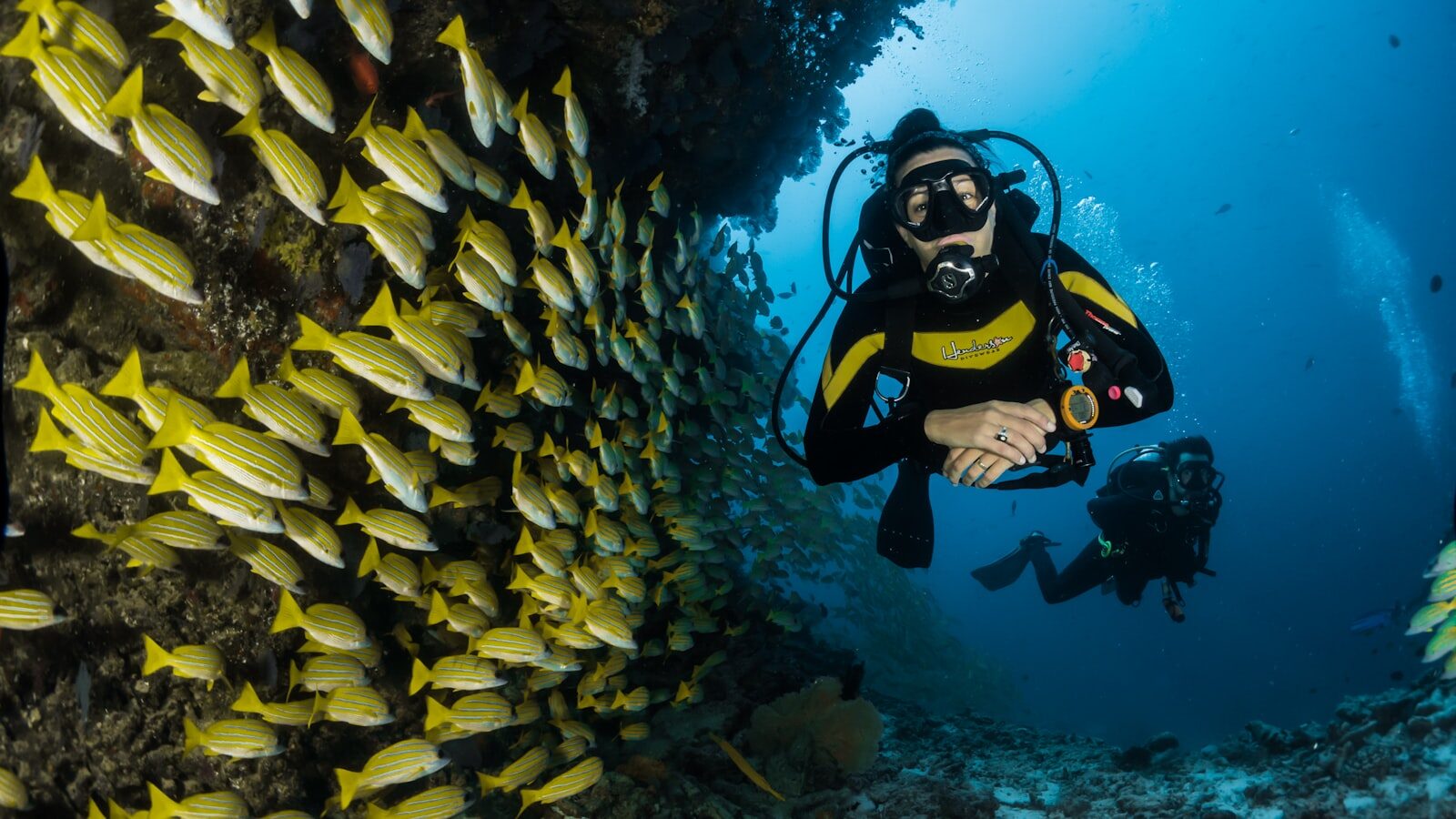
Overview
Ataúro Island is Timor-Leste’s largest island and has been recognized by the Government of Timor-Leste (GoTL) as a critical area for marine and terrestrial biodiversity. The island hosts a population of more than 11,000 people distributed across five villages (suco), with livelihoods dominated by a reliance on natural resources and ecosystem services — including agriculture, raising livestock, and fishing.
Background
In 2019, in response to an increasing number of tourists drawn to the island for its stunning landscape and exceptional natural beauty, an Ataúro Island Sustainable Tourism Strategy was produced with support from the USAID Tourism For All Project.
To complement this tourism strategy, the Ministry of Agriculture and Fisheries (MAF) identified the need for a Sustainable Management Plan (SMP) for the area, to support and guide the sustainable development of the island and the communities that depend upon its resources.
Plan Details
| Field | Detail |
|---|---|
| Document type | Sustainable Management Plan (SMP) |
| Issued by | Ministry of Agriculture and Fisheries (MAF), Timor-Leste |
| Coverage period | 2021–2025 |
| Year published | 2021 |
| Area covered | Ataúro Island, Timor-Leste |
Key Focus Areas
- Marine and terrestrial biodiversity conservation
- Sustainable livelihoods for island communities across five sucos
- Guidance for responsible tourism development
- Management of natural resources and ecosystem services