
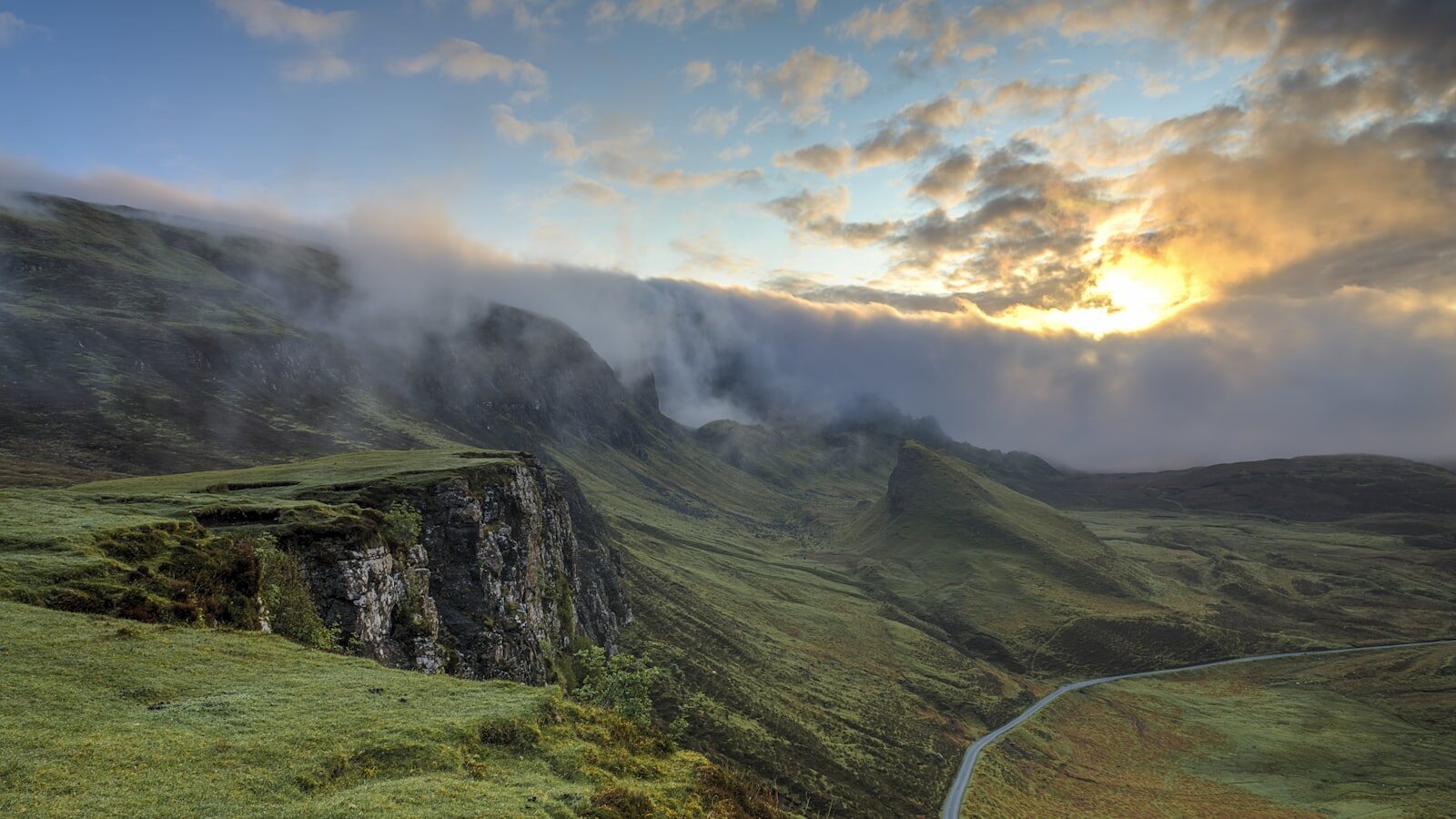
Timor-Leste has a wealth of assets to offer potential tourists. The core of its assets is natural — marine, coastal, mountains, and forests all offer undiscovered drivers for tourists to appreciate and explore. Its cultural and heritage assets further set a compelling story, creating a unique offering that distinguishes the country from competing destinations.
Year: 2022
Geographic Tourism Zones
The tourism assets of Timor-Leste can be divided into three broad geographic clusters:
| Zone | Destinations | Status |
|---|---|---|
| North West | Dili, Liquica, Atauro Island | Emerging |
| Central & West | Maubisse, Hatobuilico, Mount Ramelau, Balibo | Nascent |
| East | Baucau, Mount Matebian, Tutuala, Jaco Island | New |
Government Tourism Goals for 2030
The Government of Timor-Leste has set the following tourism-related targets:
- Revenue from international tourists to reach US$150 million
- Employment in the sector to reach 15,000 people
- 200,000 international visits per year by 2030, up from 55,000 in 2014
Source Market Research
Desk research explored the following primary source markets, identified as the nations responsible for the majority of Timor-Leste’s existing and potential future demand:
- Australia
- Singapore
- United Kingdom
- New Zealand
- Germany
- France
- United States
- China
- Japan
- Indonesia
Later research stages focused more specifically on Australia, Singapore, and the United Kingdom.
Key Barrier: Awareness
Across all source markets, the primary barrier to growth is awareness of Timor-Leste — both as a nation and as a potential tourist destination. Any demand-generation strategy must clearly communicate the breadth and uniqueness of Timor-Leste’s offering, while actively countering negative perceptions linked to historical conflict and instability.