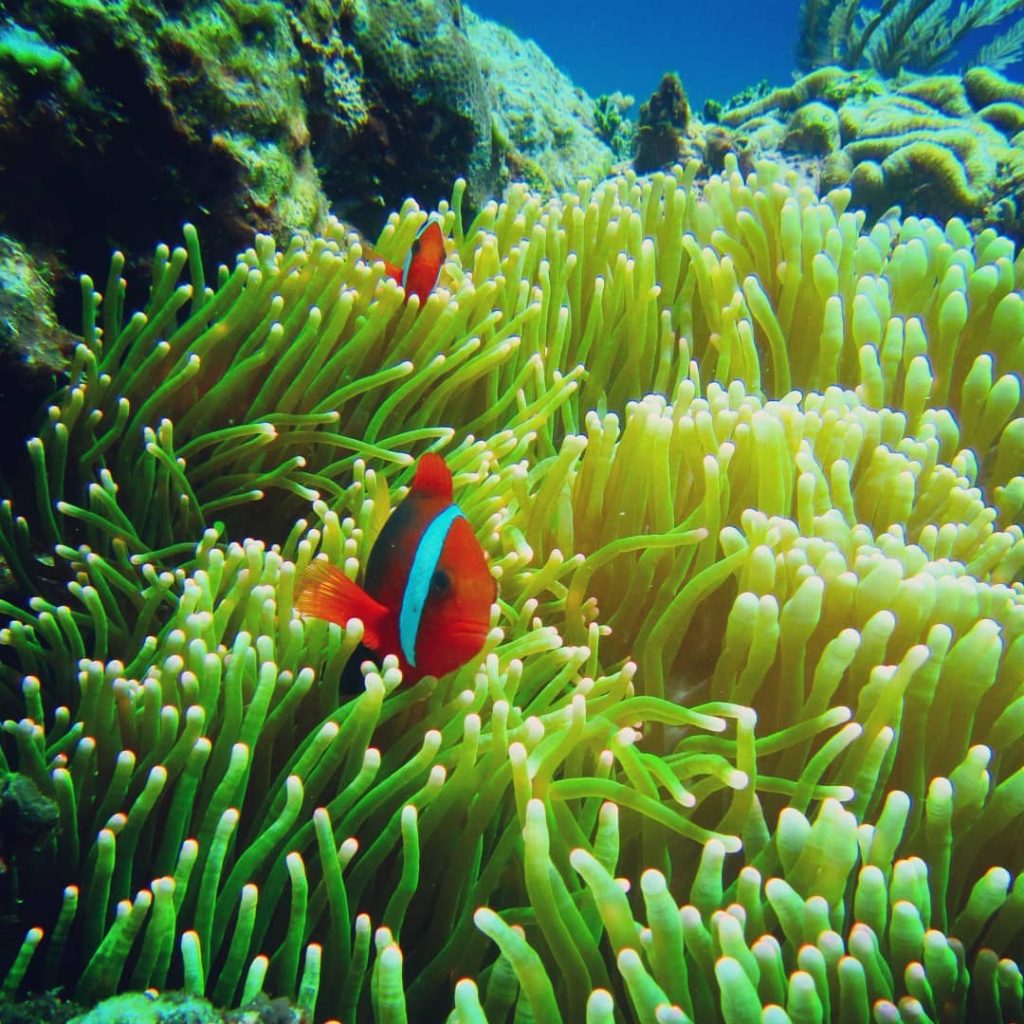
Diving Site Details Guide: Comprehensive Marine Locations in Timor-Leste
Complete specifications for diving sites with coordinates, marine life details, skill requirements, and diving conditions across Timor-Leste's world-class underwater destinations
Overview
Timor-Leste offers some of the world's most exceptional diving experiences, featuring the planet's most biodiverse coral reefs, pristine marine environments, and accessible shore diving opportunities. This comprehensive guide provides detailed specifications for all major diving sites, including precise coordinates, marine life inventories, skill level requirements, and optimal diving conditions.
Diving Quick Reference:
- Marine biodiversity: World's most biodiverse coral reefs (scientifically confirmed)
- Diving sites: 50+ documented sites from beginner to advanced
- Water temperature: 27-29°C year-round
- Visibility: 15-40m depending on site and season
- Safety note: No hyperbaric chamber in country - conservative diving essential
Safety and Medical Considerations
Critical Safety Information
Medical Emergency Response
Essential Safety Awareness:
- No hyperbaric chamber: No decompression chamber available in Timor-Leste
- Medical evacuation: Serious diving injuries require evacuation to Darwin, Australia
- Insurance requirement: Diving insurance with medical evacuation coverage essential
- Conservative diving: Stay around 25m depth for optimal safety margins
- Safety stops: Always perform safety stops regardless of dive profile
Emergency Services
Emergency Contact Information:
- General emergency: 112
- Police: 112 or 723 0365
- Medical emergency: Hospital Nacional Guido Valadares +670 331 1008
- Coast Guard: Limited coverage - contact dive operators
- DAN Hotline: +61 8 8212 9242 (Darwin, Australia)
Dive Operator Safety Standards
Professional Safety Requirements:
- PADI standards: All major operators follow PADI safety protocols
- Equipment maintenance: Regular equipment inspection and maintenance
- Emergency procedures: Established emergency response protocols
- First aid training: All dive guides trained in first aid and rescue
- Communication: VHF radio communication with shore support
Dili Area Dive Sites
K41 (Legendary Shore Dive)
Site Specifications
Location Details:
- Coordinates: S 8°30.180' E 125°42.420' (approximate)
- Distance from Dili: 15km east of central Dili
- Access: Shore dive, vehicle access to beach
- Entry type: Beach entry with short walk to drop-off
- Best time: Early morning or late afternoon
Dive Profile
Technical Information:
- Maximum depth: 40m+
- Minimum depth: 5m
- Current: Mild to moderate, site-dependent
- Visibility: 20-35m
- Bottom type: Coral reef with sandy channels
- Drop-off: Dramatic wall starting at 10m offshore
Marine Life Inventory
Species Commonly Observed:
- Large pelagics: Tuna, barracuda, trevally
- Reef sharks: Whitetip and blacktip reef sharks
- Rays: Blue-spotted stingrays, eagle rays (seasonal)
- Coral fish: Angelfish, parrotfish, wrasse varieties
- Macro life: Nudibranchs, shrimp, crab species
- Coral coverage: Excellent hard and soft coral diversity
Skill Requirements
Recommended Experience Level:
- Minimum certification: Advanced Open Water preferred
- Experience: 25+ dives recommended
- Skills needed: Good buoyancy control, current awareness
- Special considerations: Deep diving and wall diving experience helpful
Cristo Rei (Jesus 1)
Site Specifications
Location Details:
- Coordinates: S 8°31.200' E 125°44.100'
- Landmark: Near Christ Statue on Cape Fatucama
- Distance: 6km east of central Dili
- Access: Shore dive from midpoint between Christ Statue car parks
- Entry considerations: Long walk across broken coral at low tide
Dive Profile
Technical Information:
- Maximum depth: 25m
- Minimum depth: 3m
- Current: Variable, stronger near headland
- Visibility: 15-25m
- Bottom type: Coral reef with sandy patches
- Topography: Gradual slope to moderate drop-off
Marine Life Highlights
Notable Species:
- Signature species: Blue moray eels
- Sharks: Blacktip reef sharks (regular sightings)
- Coral gardens: Small to medium coral formations
- Fish diversity: Typical Indo-Pacific reef species
- Photography: Good macro opportunities
Skill Requirements
Diver Specifications:
- Minimum certification: Open Water Diver
- Experience: 10+ dives recommended
- Special skills: Shore entry experience helpful
- Current awareness: Understanding of tidal effects
Cristo Rei East (Jesus 2)
Site Specifications
Location Details:
- Coordinates: S 8°31.350' E 125°44.250'
- Access point: White-sand beach cove east of Christ Statue
- Terrain access: Steep descent from road to beach
- Entry: Long walk until adequate depth
- Beach type: White sand with coral rubble
Dive Profile
Technical Information:
- Maximum depth: 30m
- Drop-off depth: 18-20m wall
- Shallow coral garden: 4-5m depth
- Visibility: 15-30m
- Current: Generally mild
- Bottom composition: Coral reef transitioning to deep water
Marine Life Features
Ecosystem Characteristics:
- Coral gardens: Excellent shallow coral formations at 4-5m
- Wall life: Diverse species along drop-off
- Fish variety: High species diversity
- Beginner friendly: Good for newer divers in shallow areas
- Photography: Excellent opportunities at all depths
Skill Requirements
Accessibility:
- Minimum certification: Open Water Diver
- Experience: 5+ dives acceptable
- Shore diving: Beach entry experience helpful
- Navigation: Basic underwater navigation skills
Pertamina Pier
Site Specifications
Location Details:
- Coordinates: S 8°33.600' E 125°34.200'
- Location: Western end of Av de Portugal
- Structure: Concrete pier for fuel offloading
- Access: Shore dive from pier structure
- Urban setting: Located in diplomatic area
Dive Profile
Technical Information:
- Maximum depth: 15m
- Structure diving: Artificial reef environment
- Visibility: 10-20m (variable due to urban location)
- Current: Minimal to mild
- Bottom type: Sandy with concrete structures
- Dive type: Unique "wreck-like" experience
Marine Life Specialties
Urban Reef Ecosystem:
- Large fish: Giant trevally, huge sweetlips
- Predators: Scorpion fish among structures
- Shelter species: Fish using pylons for protection
- Urban adaptation: Marine life adapted to structure environment
- Photography: Unique urban diving photography opportunities
Recognition and Skills
Site Recognition:
- Ranking: Considered one of top 15 shore dives in Asia
- Unique character: "Wreck dive" atmosphere in urban setting
- Minimum certification: Open Water Diver
- Experience: 10+ dives recommended
- Special considerations: Urban environment awareness
Tasitolu
Site Specifications
Location Details:
- Coordinates: S 8°32.400' E 125°31.800'
- Direction: West of Dili past airport
- Geography: Large coastal opening area
- Access: Multiple entry points along coast
- Recognition: Site of over half of inaugural dive photo contest winners
Dive Profile
Technical Information:
- Maximum depth: 18m (easy diving)
- Terrain: Varied underwater topography
- Visibility: 20-35m
- Current: Generally mild
- Bottom type: Coral reef with sandy areas
- Dive character: Easy, relaxed diving
Marine Life Diversity
Exceptional Species Variety:
- Fish diversity: Extraordinary species variety
- Lifetime exploration: So many species some divers spend lifetime cataloging
- Single dive variety: 5-6 different major species per dive typical
- Specific species: Scorpion fish, turtles, octopus
- Photography: Award-winning photography opportunities
Skill Requirements
Accessibility Features:
- Minimum certification: Open Water Diver
- Experience: All levels welcome
- Easy diving: Relaxed conditions ideal for learning
- Photography: Perfect for underwater photography development
Dili Rock
Site Specifications
Location Details:
- Coordinates: S 8°32.100' E 125°30.600'
- Distance: 10km west of Dili
- Landmark: Big rocks marking entry point
- Historical marker: Near Pope's 1989 visit monument
- Access: Shore dive from rocky entry
Dive Profile
Technical Information:
- Maximum depth: 20m
- Topography: Sandy bottom sloping to westward reef
- Visibility: 15-25m (variable)
- Current: Can be strong
- Bottom transition: Sand to coral reef
- Diving challenges: Current and sand effects on visibility
Marine Life Characteristics
Diverse Reef Species:
- Fish variety: Wide variety of reef fish
- Predator species: Lionfish, puffer fish, stonefish
- Moray eels: Regular eel encounters
- Reef ecosystem: Typical Indo-Pacific reef community
- Species richness: High biodiversity
Advanced Site Considerations
Dili Rock West Extension:
- Location: 200m further west
- Challenge level: More challenging due to strong currents
- Visibility issues: Swirling sand can affect visibility
- Experience required: Advanced Open Water recommended
- Current awareness: Strong current management skills essential
Secret Garden
Site Specifications
Location Details:
- Coordinates: S 8°29.359' E 125°49.901' (GPS provided)
- Distance: 35km east of Dili
- Access description: Two-track road through palm trees to rocky beach
- Local features: Village selling crafts and woven goods
- Signage: No official signage (typical for Timor sites)
Site Character
Remote Beach Diving:
- Setting: Secluded location with palm tree backdrop
- Beach type: Rocky beach entry
- Atmosphere: Peaceful, natural setting
- Activities: Both diving and snorkeling suitable
- Local interaction: Craft purchasing opportunities
Diving Profile
Remote Site Characteristics:
- Depth range: Variable, site exploration required
- Marine life: Typical eastern coast reef species
- Visibility: Generally good due to remote location
- Current: Site-dependent
- Skill level: Open Water minimum, shore diving experience helpful
Atauro Island Dive Sites (World's Most Biodiverse)
Atauro Island Overview
Scientific Recognition
Global Marine Biodiversity Leadership:
- Conservation International study (2016): Confirmed world's most biodiverse coral reefs
- Species record: 315 different fish species at single site
- Coral diversity: Exceptional hard and soft coral variety
- Research importance: Ongoing international marine biodiversity studies
- Conservation status: Traditional Tara Bandu protection laws
Access Information
Getting to Atauro:
- Flight: 15-minute flights from Dili (weather dependent)
- Boat: 2-hour boat journey from Dili
- Accommodation: Several dive resorts and guesthouses
- Day trips: Regular day trip diving available
- Weather dependency: Sea conditions affect boat access
Atauro Dive Resort Area
Site Specifications
World Record Location:
- Coordinates: S 8°18.600' E 125°36.000' (approximate)
- Recognition: Site of 315 species record count
- Facility: Atauro Dive Resort front location
- Access: Boat dive from resort
- Conservation: Community-protected area
Exceptional Marine Life
Record-Breaking Biodiversity:
- Fish species: 315+ documented species at single site
- Coral variety: Extensive hard and soft coral species
- Endemic species: Species found nowhere else
- Research value: Continuing scientific documentation
- Photography: World-class marine photography opportunities
Diving Specifications
World-Class Diving:
- Depth range: 5-40m+
- Visibility: 25-40m
- Current: Variable, generally manageable
- Skill requirement: All levels, guided dives essential
- Conservation: Respectful diving practices required
Northern Atauro Sites
Tara Bandu Protected Areas
Traditional Conservation Zones:
- Protection method: Traditional Timorese Tara Bandu laws
- Community management: Local community-managed conservation
- Access restrictions: Specific protocols for visiting
- Conservation success: Demonstrably effective protection
- Cultural significance: Integration of traditional and modern conservation
Marine Life Protection Results
Conservation Outcomes:
- Fish abundance: Significantly higher fish densities
- Species diversity: Protected areas show enhanced diversity
- Coral health: Excellent coral condition
- Recruitment: High juvenile fish recruitment
- Sustainability: Demonstrable long-term sustainability
Southern Atauro Coastal Sites
Village-Based Diving
Community Tourism Integration:
- Local guides: Village-trained dive guides
- Cultural integration: Diving combined with cultural experiences
- Economic benefit: Direct community economic benefit
- Traditional knowledge: Integration of local marine knowledge
- Sustainable development: Model for sustainable diving tourism
Accessibility and Skills
Village Diving Characteristics:
- Shore diving: Many sites accessible from shore
- Boat diving: Local boat services available
- Skill levels: Sites for all experience levels
- Local guidance: Local guide knowledge essential
- Cultural respect: Respectful interaction with communities required
Eastern Timor Dive Sites
Jaco Island Area
National Park Protection
Nino Konis Santana National Park:
- Protection status: Part of Timor-Leste's first national park
- Sacred site: Considered sacred by local communities
- Access restrictions: No permanent structures, no camping
- Conservation importance: Critical marine ecosystem protection
- Biodiversity significance: Part of Coral Triangle marine biodiversity hotspot
Diving Specifications
Remote Marine Sanctuary:
- Coordinates: S 8°26.400' E 127°19.800' (approximate)
- Access: Boat dive only, day trips from mainland
- Depth range: Variable, 5-40m+
- Marine life: Pristine coral triangle species
- Visibility: Excellent, 30-40m typical
- Current: Can be strong, advanced skills recommended
Coral Triangle Significance
Global Marine Importance:
- Biodiversity hotspot: Part of world's richest marine ecosystem
- Species endemism: High levels of endemic species
- Conservation priority: Global conservation importance
- Research value: Significant scientific research location
- Protection success: Demonstrable conservation effectiveness
Com Beach Area
Remote Eastern Access
Lautem Municipality Diving:
- Location: Small seaside resort area
- Access: End point for Five Summits hiking expedition
- Combined activities: Integration with adventure tourism
- Remote character: Limited development, pristine conditions
- Local services: Basic services, authentic experience
Diving Characteristics
Eastern Coast Diving:
- Exploration diving: Less documented sites
- Adventure character: Expedition-style diving
- Guide requirement: Local guide knowledge essential
- Skill level: Advanced diving experience recommended
- Conservation: Pristine marine environments
Advanced and Technical Diving Sites
Deep Water Pelagic Sites
Blue Water Diving
Open Ocean Encounters:
- Pelagic species: Large ocean species encounters
- Seasonal timing: Specific seasons for different species
- Skill requirement: Advanced diving certification essential
- Boat diving: Specialized boat diving required
- Guide expertise: Experienced local guide knowledge critical
Large Marine Life
Megafauna Encounters:
- Whale encounters: Seasonal whale migration diving
- Manta rays: Seasonal manta ray aggregations
- Large sharks: Occasional large shark encounters
- Tuna schools: Large tuna aggregations
- Dolphin interactions: Underwater dolphin encounters
Wall Diving Sites
Vertical Reef Systems
Advanced Topography:
- Wall characteristics: Dramatic vertical reef structures
- Depth profiles: Deep water wall diving
- Current considerations: Strong current management required
- Skill requirements: Advanced buoyancy control essential
- Navigation: Advanced underwater navigation skills
Specialized Marine Life
Wall-Specific Species:
- Deep water species: Species adapted to wall environments
- Coral formations: Large gorgonian and soft coral formations
- Cleaning stations: Natural fish cleaning station encounters
- Pelagic visits: Open ocean species visiting walls
- Photography: Spectacular wide-angle photography opportunities
Seasonal Diving Considerations
Dry Season Diving (May-October)
Optimal Diving Conditions
Peak Season Advantages:
- Visibility: Maximum underwater visibility (30-40m)
- Weather: Stable weather patterns
- Sea conditions: Calm seas, easy boat access
- Water temperature: Optimal 27-29°C
- All sites accessible: Full range of sites available
Marine Life Seasonality
Dry Season Marine Activity:
- Coral spawning: Annual coral spawning events
- Fish aggregations: Breeding aggregations
- Manta ray season: Peak manta ray sightings
- Whale migration: Blue whale migration period (October-November)
- Photography: Optimal underwater photography conditions
Wet Season Diving (November-April)
Challenging Conditions
Wet Season Considerations:
- Visibility: Reduced visibility due to runoff
- Weather: Variable weather, potential for storms
- Sea conditions: Rougher seas, limited boat access
- Site limitations: Some remote sites inaccessible
- Equipment: Extra protection for gear required
Wet Season Advantages
Unique Opportunities:
- Fewer divers: More solitude at dive sites
- Marine activity: Different marine life behavior
- Coral health: Excellent coral condition from rainfall
- Photography: Different lighting and mood opportunities
- Local interaction: More time with local communities
Monthly Diving Calendar
Peak Months (June-September)
Optimal Diving Period:
- June-July: Perfect conditions, best visibility
- August: Peak season, excellent weather
- September: Excellent conditions continue
- October: Whale migration begins
Transition Months
Variable Conditions:
- May: Dry season begins, improving conditions
- November: Wet season starts, whale migration continues
- April: Wet season ends, conditions improving
Challenging Months (December-March)
Wet Season Peak:
- December-February: Wettest period, most challenging
- March: Conditions begin improving
Diving Safety Protocols
Pre-Dive Safety Procedures
Health and Fitness Assessment
Medical Considerations:
- Diving medical: Recent diving medical examination recommended
- Fitness level: Good physical condition required
- Pre-existing conditions: Disclosure of medical conditions
- Medication effects: Understanding of medication impacts on diving
- Alcohol restriction: No alcohol 24 hours before diving
Equipment Safety Check
Equipment Protocols:
- Equipment inspection: Thorough pre-dive equipment check
- Backup systems: Redundant safety equipment
- Local equipment: Understanding of local equipment standards
- Personal equipment: Preference for personal mask and fins
- Safety equipment: Emergency signaling devices
During Dive Safety
Buddy System Protocols
Dive Team Safety:
- Buddy contact: Constant buddy contact and communication
- Guide supervision: Professional guide leadership
- Group diving: Small group sizes for safety
- Emergency procedures: Clear emergency response procedures
- Communication: Established underwater communication signals
Conservative Diving Practices
Safe Diving Profiles:
- Depth limitations: Conservative depth limits (25m recommended)
- Bottom time: Conservative bottom time calculations
- Safety stops: Mandatory safety stops all dives
- Ascent rate: Slow, controlled ascent rates
- Surface intervals: Adequate surface intervals between dives
Post-Dive Safety
Health Monitoring
Post-Dive Assessment:
- Symptom awareness: Monitoring for decompression symptoms
- Hydration: Adequate post-dive hydration
- Rest periods: Appropriate rest between diving days
- Medical attention: Immediate medical attention for any concerns
- Flying restrictions: 18-24 hour no-fly periods after diving
Marine Life Identification Guide
Coral Species Identification
Hard Coral Varieties
Major Hard Coral Types:
- Table corals: Acropora species, plate-like formations
- Staghorn corals: Branching Acropora species
- Brain corals: Massive Porites and Favia species
- Mushroom corals: Fungia species, single polyp corals
- Plate corals: Turbinaria species, flat plate formations
Soft Coral Diversity
Soft Coral Characteristics:
- Gorgonian fans: Large fan-shaped formations
- Soft tree corals: Branching soft coral species
- Leather corals: Sarcophyton species
- Bubble corals: Plerogyra species
- Whip corals: Long, thin flexible corals
Fish Species Categories
Reef Fish Families
Common Reef Species:
- Angelfish: Multiple species, various sizes
- Parrotfish: Major reef species, multiple varieties
- Wrasse: Diverse family, many species
- Butterflyfish: Colorful reef fish, pair swimming
- Triggerfish: Larger territorial species
Predator Species
Marine Predators:
- Sharks: Whitetip, blacktip, grey reef sharks
- Groupers: Large predatory fish
- Barracuda: Schools and individuals
- Trevally: Large hunting fish
- Moray eels: Various species and sizes
Macro Life
Small Marine Life:
- Nudibranchs: Sea slug species, various colors
- Shrimp: Cleaner shrimp, mantis shrimp
- Crabs: Various crab species
- Flatworms: Colorful marine flatworms
- Sea stars: Various starfish species
Professional Diving Services
PADI Dive Centers
Dive Timor Lorasae
Premier Diving Operation:
- Certification: PADI 5-Star IDC Center
- Experience: 20+ years operation
- Services: Complete diving education, daily trips
- Specialization: Atauro expeditions, instructor development
- Contact: +670 7723 7092
Aquatica Dive Resort
Resort-Based Diving:
- Location: Beachside diving resort
- Services: Resort courses, daily diving
- Accommodation: On-site resort accommodation
- Focus: Beginner and intermediate diving
Dreamers Dive Academy
Training Specialization:
- Focus: Dive education and training
- Services: PADI courses, specialty training
- Local expertise: Timorese-owned operation
- Community: Strong local community connections
Diving Support Services
Equipment and Supplies
Diving Equipment Availability:
- Rental equipment: Full gear rental available
- Equipment sales: Basic equipment sales
- Maintenance: Limited equipment repair services
- Nitrox: Nitrox available at major operators
- Photography: Underwater camera rental limited
Transportation Services
Getting to Dive Sites:
- Boat services: Regular boat services to dive sites
- Atauro transport: Daily transport to Atauro Island
- Vehicle rental: 4WD rental for shore diving access
- Airport transfers: Diving operator transfer services
- Logistics support: Complete diving trip logistics
Timor-Leste's diving opportunities offer world-class underwater experiences with exceptional marine biodiversity, pristine coral reefs, and professional diving services. This comprehensive guide provides the detailed information necessary for safe, successful, and environmentally responsible diving while supporting local conservation efforts and community development.
Related Resources:
- Comprehensive Activities Guide - Integration with other activities
- Nature & Wildlife Guide - Marine conservation and biodiversity
- Atauro Island - Premier diving destination
- Diving Operators Directory - Professional diving services
- Marine Diving Updates - Latest conservation and development