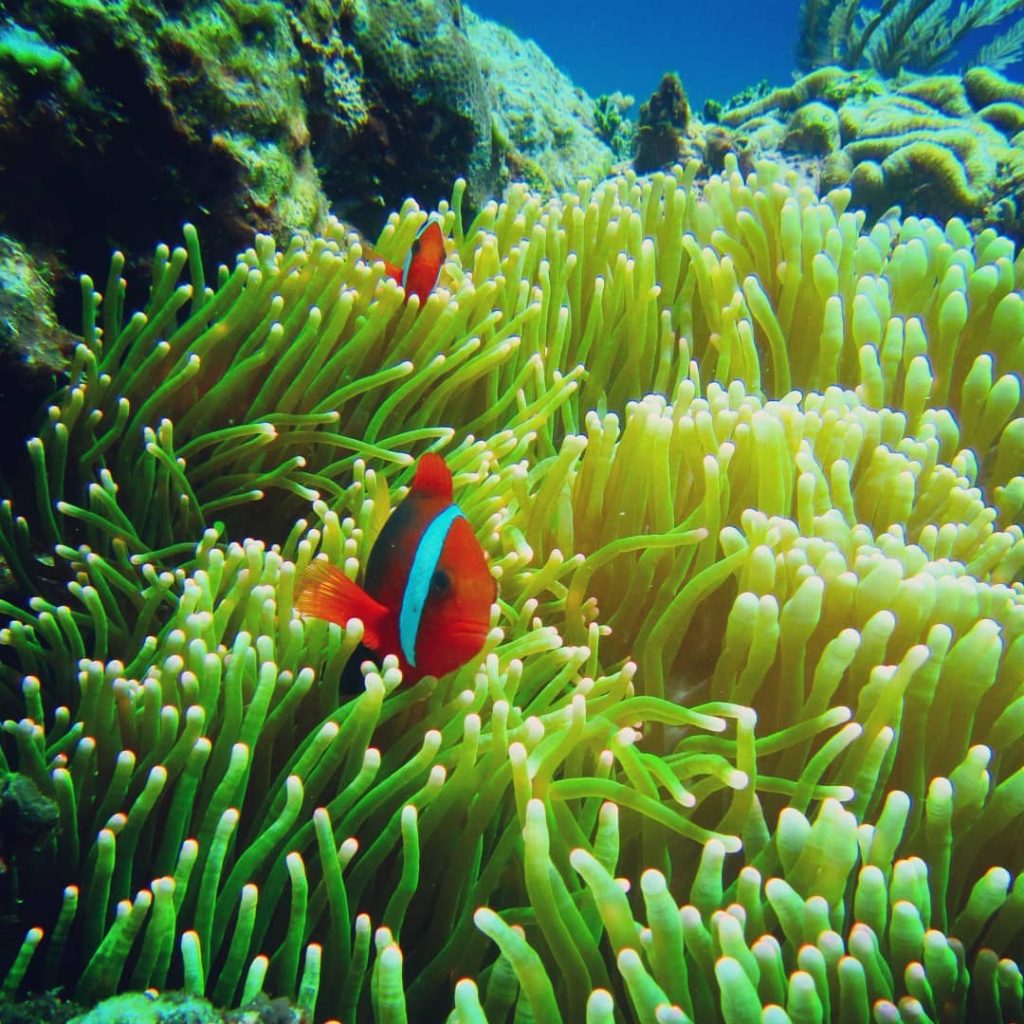
Nature & Wildlife Guide: Timor-Leste's Biodiversity Paradise
Your complete guide to endemic species, marine life, birdwatching, and protected areas in Southeast Asia's biodiversity hotspot
Overview
Timor-Leste is one of the world's most remarkable biodiversity destinations, featuring the planet's most biodiverse coral reefs, unique endemic species, and pristine ecosystems both on land and underwater. This comprehensive guide covers the country's extraordinary natural heritage, from Hope Spot-designated marine areas to mountain forests and unique wildlife viewing opportunities.
Nature & Wildlife Quick Facts:
- Marine biodiversity: World's most biodiverse coral reefs (Atauro Island)
- Hope Spot designation: Ombai-Wetar Strait (global marine conservation recognition)
- Endemic species: Unique flora and fauna found nowhere else on Earth
- Whale migration: Hundreds of blue whales pass Dili annually
- Conservation status: Traditional Tara Bandu laws protect ecosystems
Marine Life & Biodiversity
Ombai-Wetar Strait Hope Spot
International Recognition
Mission Blue Hope Spot (2020):
- Global network: Joining 100+ countries in marine conservation
- Geographic scope: From Batugade to Jaco Island (northern ocean)
- Scientific endorsement: Dr. Sylvia Earle's Mission Blue foundation
- Conservation importance: Critical to global ocean health
- Tourism potential: Sustainable marine ecotourism development
World's Greatest Marine Biodiversity
Scientific Validation:
- Conservation International survey (2016): Atauro Island confirmed as having world's most biodiverse waters
- Species count: 315 different fish species recorded at single site (Atauro Dive Resort)
- Global significance: Highest average fish diversity worldwide
- Coral diversity: Exceptional coral species variety and health
- Pristine condition: Healthiest reefs in the Coral Triangle region
Marine Megafauna
Whale Species and Migration
Blue Whales:
- Annual migration: Hundreds pass Dili every year
- Peak season: Mid-October to late November
- Viewing opportunities: Boat tours from Dili and Atauro
- Size significance: Largest animals on Earth regularly visible
- Research value: Important migration corridor
Sperm Whales:
- Family groups: Regular sightings of whale families
- Proximity: Very close to shore encounters possible
- Year-round presence: Available for viewing throughout the year
- Largest predators: Biggest predatory animals on the planet
- Deep-water species: Exceptional diving capabilities
Dolphins and Smaller Cetaceans
Multiple Species:
- Variety: Many different dolphin species
- Shore proximity: Very close to coastline sightings
- Year-round viewing: Consistent presence throughout seasons
- Interactive behavior: Often approach boats and divers
- Research opportunities: Ongoing scientific studies
Dugongs (Sea Cows)
Unique Marine Mammals:
- Proximity to airport: Five minutes from Dili International Airport
- Rare sightings: Endangered marine mammal species
- Seagrass habitats: Coastal seagrass bed dependence
- Conservation importance: Vulnerable species protection
- Traditional significance: Cultural importance to local communities
Coral Reef Ecosystems
Atauro Island - World's Most Biodiverse Reefs
Scientific Significance:
- Record biodiversity: Highest recorded fish diversity globally
- Coral variety: Exceptional hard and soft coral species
- Ecosystem health: Pristine condition with minimal damage
- Traditional protection: Tara Bandu laws maintaining conservation
- Research destination: Ongoing international scientific studies
Reef Characteristics:
- Hard corals: Multiple species in various formations
- Soft corals: Diverse whip-like and branching varieties
- Symbiotic relationships: Complex polyp and algae interactions
- Solar-powered corals: Photosynthetic coral species
- Feeding diversity: Filter-feeding and predatory coral types
Mainland Coastal Reefs
Dili Area Marine Life:
- Cristo Rei: Accessible shore diving with diverse reef life
- Tasi Tolu: Good variety for beginning marine life observation
- Areia Branca: Beach-accessible reef viewing opportunities
- Motael Point: Additional coastal reef experiences
Marine Conservation
Traditional Protection Systems
Tara Bandu Laws:
- Ancient practices: Traditional Timorese marine management
- Community-based: Local community enforcement and management
- Cultural integration: Spiritual and practical conservation methods
- Modern application: Revival for contemporary conservation needs
- International recognition: Global attention for traditional conservation
Modern Conservation Efforts
Assosiasaun Turizmu Maritima Timor-Leste (ATM-TL):
- Stakeholder collaboration: Bringing together communities, businesses, scientists
- Conservation planning: National vision for marine tourism and protection
- Community training: Supporting local ecotourism development
- Research facilitation: Enabling ongoing scientific studies
- Sustainable development: Balancing tourism growth with conservation
Terrestrial Wildlife & Endemic Species
Endemic Flora
Mountain Forest Species
High-Altitude Ecosystems:
- Cloud forests: Unique montane forest communities
- Endemic trees: Species found only in Timor-Leste
- Medicinal plants: Traditional healing plant species
- Coffee ecosystems: Wild coffee species and relatives
- Orchid species: Native orchid varieties
Coastal and Lowland Flora
Unique Plant Communities:
- Coastal vegetation: Salt-tolerant endemic species
- Dry forest species: Drought-adapted native plants
- Traditional use plants: Species used for Tais dyeing and crafts
- Food plants: Indigenous edible plant species
- Sacred grove species: Plants with cultural and spiritual significance
Endemic Fauna
Land Birds
Endemic Bird Species:
- Timor-specific species: Birds found only on Timor Island
- Forest specialists: Deep forest dwelling species
- Mountain species: High-altitude adapted birds
- Seasonal migrants: Species with unique migration patterns
- Traditional significance: Birds important to local culture
Reptiles and Amphibians
Unique Herpetofauna:
- Endemic geckos: Timor-specific gecko species
- Skink species: Unique lizard varieties
- Snake species: Indigenous serpent species
- Frog species: Endemic amphibian species
- Traditional knowledge: Local understanding of reptile behavior
Insects and Invertebrates
Exceptional Diversity:
- Butterfly species: Unique Lepidoptera varieties
- Beetle diversity: Exceptional Coleoptera species
- Spider species: Endemic arachnid varieties
- Traditional uses: Insects important to local ecology and culture
Terrestrial Conservation Areas
Protected Forest Areas
Mountain Reserves:
- Mount Ramelau area: High-altitude forest protection
- Watershed protection: Critical water source conservation
- Endemic species habitat: Protecting unique species populations
- Traditional management: Community-based forest protection
- Climate regulation: Important for local weather patterns
Coastal Protection Areas
Wetland and Coastal Conservation:
- Mangrove areas: Coastal ecosystem protection
- Seagrass beds: Marine mammal habitat conservation
- Nesting beaches: Sea turtle protection areas
- Estuary systems: Freshwater-saltwater transition zones
- Traditional fishing areas: Community-managed marine resources
Birdwatching Opportunities
Resident Species
Forest Birds
Mountain and Forest Species:
- Endemic species: Birds found only in Timor-Leste
- Canopy species: High forest dwelling birds
- Understory species: Lower forest level birds
- Fruit-eating species: Seed dispersal important birds
- Insect-eating species: Pest control beneficial birds
Coastal and Wetland Birds
Marine and Shore Birds:
- Seabirds: Ocean-dependent species
- Shorebirds: Beach and mudflat feeding species
- Heron species: Wetland wading birds
- Kingfisher species: Fish-eating specialists
- Tern species: Coastal diving birds
Seasonal Migration
International Migrants
Flyway Species:
- East Asian-Australasian Flyway: Important stopover location
- Seasonal timing: Peak migration periods
- Rare species: Uncommon migrants occasionally seen
- Research opportunities: Bird banding and tracking studies
- Conservation importance: Critical habitat for migratory species
Prime Birdwatching Locations
Mountain Areas
High-Altitude Birding:
- Mount Ramelau region: Endemic and high-altitude species
- Cloud forest areas: Mist-adapted bird communities
- Coffee plantation edges: Mixed habitat opportunities
- Traditional sacred forests: Undisturbed bird habitats
Coastal Areas
Marine and Shore Birding:
- Atauro Island: Seabird colonies and unique species
- Dili coastal areas: Urban and shore bird mix
- Mangrove areas: Specialized wetland species
- Jaco Island: Remote seabird observation
National Parks & Protected Areas
Marine Protected Areas
Atauro Island Conservation
Community-Based Conservation:
- Tara Bandu enforcement: Traditional law application
- Community tourism: Locally-managed ecotourism
- No-take zones: Areas completely protected from fishing
- Seasonal restrictions: Traditional seasonal protection periods
- Species-specific protection: Targeted species conservation
Coastal Marine Parks
Mainland Protection Areas:
- Coral reef protection: Key reef area conservation
- Seagrass conservation: Dugong habitat protection
- Mangrove preservation: Coastal ecosystem maintenance
- Traditional fishing areas: Sustainable use zones
- Research areas: Scientific study facilitation
Terrestrial Protected Areas
Mountain Conservation
Highland Protection:
- Watershed protection: Critical water source conservation
- Endemic species habitat: Unique species population protection
- Climate regulation: Weather pattern maintenance
- Traditional sacred sites: Cultural and spiritual area protection
- Carbon sequestration: Climate change mitigation
Forest Reserves
Biodiversity Conservation:
- Primary forest protection: Old-growth forest conservation
- Secondary forest management: Regenerating forest areas
- Wildlife corridors: Connecting fragmented habitats
- Research areas: Scientific study facilitation
- Traditional use areas: Sustainable community resource use
Wildlife Viewing Opportunities
Marine Wildlife Tours
Whale Watching
Best Practices:
- Peak season: Mid-October to late November for blue whales
- Tour operators: Professional marine tour companies
- Viewing guidelines: Respectful wildlife observation
- Safety requirements: Proper boat safety equipment
- Research contribution: Citizen science participation opportunities
Dolphin Encounters
Year-Round Opportunities:
- Daily tours: Regular dolphin viewing expeditions
- Multiple species: Various dolphin species encounters
- Close approaches: Dolphins often approach boats
- Swimming opportunities: Supervised dolphin swimming experiences
- Photography: Marine wildlife photography opportunities
Terrestrial Wildlife
Forest Wildlife Viewing
Mountain Expeditions:
- Endemic species: Unique Timor-Leste wildlife
- Early morning: Optimal wildlife activity periods
- Local guides: Traditional ecological knowledge
- Night tours: Nocturnal species observation
- Photography blinds: Dedicated wildlife photography setups
Coastal Wildlife
Shore and Wetland Species:
- Mangrove tours: Specialized wetland wildlife
- Tidal pool exploration: Intertidal species observation
- Nesting site visits: Seasonal wildlife reproduction areas
- Migration timing: Optimal seasonal viewing periods
Conservation Tourism
Community-Based Conservation
Atauro Island Model
Sustainable Tourism Development:
- Community ownership: Local control of tourism development
- Conservation funding: Tourism revenue supporting conservation
- Traditional knowledge: Integrating local ecological knowledge
- Capacity building: Training local conservation leaders
- Economic alternatives: Reducing pressure on natural resources
Mainland Conservation Projects
Community Involvement:
- Forest protection: Local forest conservation initiatives
- Marine protection: Community-managed marine resources
- Species monitoring: Local wildlife monitoring programs
- Traditional practices: Supporting sustainable traditional use
- Education programs: Environmental awareness development
Research Tourism
Scientific Opportunities
Citizen Science:
- Species monitoring: Tourist participation in wildlife counts
- Marine research: Diving contributions to scientific research
- Photography documentation: Tourist photos for research
- Behavior observation: Wildlife behavior recording
- Conservation data: Tourist-generated conservation information
Educational Experiences
Learning Opportunities:
- Marine biology: Understanding ocean ecosystems
- Traditional knowledge: Learning local ecological wisdom
- Conservation methods: Understanding protection strategies
- Species identification: Wildlife identification skills
- Ecosystem function: Understanding natural system operation
Seasonal Wildlife Calendar
Marine Life Seasonality
Peak Wildlife Seasons
Optimal Viewing Periods:
October-November:
- Blue whale migration: Peak blue whale viewing
- Calm seas: Best weather for marine tours
- Manta ray season: Large ray aggregations
- Turtle nesting: Sea turtle reproduction
December-March:
- Sperm whale families: Family group sightings
- Dolphin activity: High dolphin activity periods
- Coral spawning: Annual coral reproduction
- Young marine life: Juvenile fish and marine species
April-September:
- Diving visibility: Best underwater visibility
- Research season: Peak scientific research activity
- Consistent weather: Stable marine tour conditions
- Coral photography: Optimal underwater photography
Terrestrial Wildlife
Forest Wildlife Seasons
Optimal Observation Periods:
Dry Season (May-October):
- Bird activity: Peak bird feeding and breeding
- Mammal movement: Animals concentrated around water sources
- Butterfly diversity: Peak butterfly species activity
- Forest access: Better trail access for wildlife viewing
Wet Season (November-April):
- Amphibian activity: Peak frog and amphibian reproduction
- Fruit season: Trees fruiting attracting wildlife
- Green season: Lush vegetation and increased food sources
- Nesting activity: Bird nesting and reproduction
Photography and Documentation
Marine Photography
Underwater Photography
Optimal Conditions:
- Visibility: Best underwater photography conditions
- Equipment: Professional underwater photography services
- Marine life behavior: Understanding animal behavior for photos
- Coral photography: Techniques for coral documentation
- Wide-angle opportunities: Large marine life photography
Topside Marine Photography
Surface Photography:
- Whale photography: Techniques for large marine mammal photos
- Boat-based photography: Equipment and techniques for boat photography
- Sunset/sunrise: Golden hour marine photography opportunities
- Landscape integration: Marine life in landscape context
Terrestrial Photography
Wildlife Photography
Forest and Coastal Photography:
- Bird photography: Techniques for bird species documentation
- Macro photography: Insect and small species photography
- Landscape photography: Ecosystem and habitat documentation
- Cultural integration: Wildlife in cultural context
- Conservation photography: Photography supporting conservation efforts
Responsible Wildlife Tourism
Ethical Guidelines
Marine Wildlife Interaction
Respectful Viewing:
- Distance requirements: Maintaining appropriate distances from wildlife
- No touching: Avoiding physical contact with marine life
- Quiet observation: Minimizing noise disturbance
- Group size limits: Small group sizes for minimal impact
- Traditional protocols: Respecting local customs and beliefs
Terrestrial Wildlife Ethics
Forest and Coastal Ethics:
- No feeding: Avoiding feeding wild animals
- Trail etiquette: Staying on designated paths
- Nesting disturbance: Avoiding breeding area disturbance
- Waste management: Leave no trace principles
- Local guide support: Supporting local guide livelihoods
Conservation Support
Economic Impact
Supporting Conservation Through Tourism:
- Local guide employment: Supporting community livelihoods
- Conservation fees: Direct contributions to protection efforts
- Sustainable accommodations: Choosing eco-friendly lodging
- Local product purchases: Supporting conservation-linked products
- Research support: Contributing to scientific research efforts
Educational Impact
Conservation Awareness:
- Species education: Learning about local wildlife importance
- Threat awareness: Understanding conservation challenges
- Cultural integration: Understanding traditional conservation
- International promotion: Sharing conservation success stories
- Policy support: Supporting conservation policy development
Timor-Leste's nature and wildlife offerings provide visitors with unique opportunities to experience some of the world's most exceptional biodiversity while supporting critical conservation efforts and sustainable community development. From the planet's most biodiverse coral reefs to unique endemic species and traditional conservation practices, every nature experience contributes to the preservation of this remarkable natural heritage.
Related Resources:
- Diving Site Details Guide - Specific marine locations
- Comprehensive Activities Guide - Integration with other activities
- Atauro Island - Premier biodiversity destination
- Marine Diving Updates - Latest conservation efforts
- Sustainable Tourism Updates - Conservation tourism development