Environmental & Conservation - Complete Guide
Traditional ecological knowledge, conservation efforts, and sustainable development in Timor-Leste
Overview
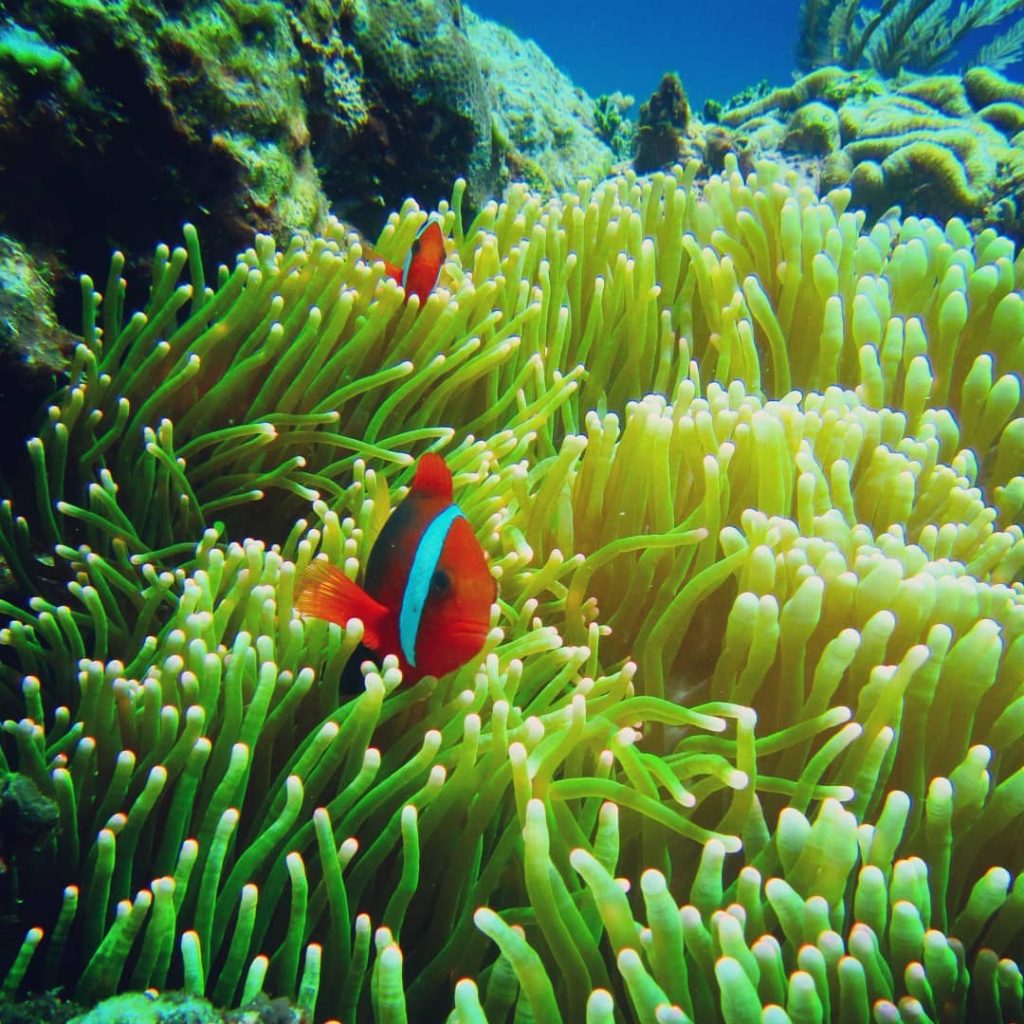
Timor-Leste possesses extraordinary biodiversity and unique ecosystems, from coral reefs ranked among the world's most biodiverse to endemic mountain forests. This comprehensive guide explores the country's environmental treasures, traditional ecological knowledge systems, conservation initiatives, and sustainable development efforts, providing travelers with deep understanding of this remarkable natural heritage.
Unique Ecosystems & Biodiversity
Marine Biodiversity
Coral Triangle Epicenter & World Records
- Global Significance: Heart of the Coral Triangle, world's most biodiverse marine region
- Species Richness: 76% of world's coral species, 2,500+ fish species
- World Record: Atauro Island holds the world record for highest marine biodiversity per square meter
- Conservation International Recognition: Confirmed as most biodiverse waters globally (2016)
- Endemism: High levels of endemic marine species unique to Timor-Leste waters
- Conservation Status: Pristine reefs in remote areas, pressure in accessible locations
- Research Importance: Critical for marine biodiversity research and global conservation
- Tourism Potential: World-class diving and marine tourism opportunities
- Mission Blue Hope Spot: Ombai-Wetar Strait designated as internationally significant Hope Spot
Atauro Island Marine Environment
- Biodiversity Record: Highest fish species diversity per square meter globally (Conservation International, 2016)
- Conservation Success: Community-based marine protected areas using traditional law
- Traditional Management: Tara Bandu traditional marine resource management systems
- Scientific Recognition: International marine biodiversity research site and Mission Blue Hope Spot
- Tourism Model: Sustainable marine tourism development through ATKOMA
- Community Benefits: Direct economic benefits from conservation through eco-tourism
- Green Destinations Award: Named Top 100 Green Destinations for sustainable tourism practices
- Eco-lodge Pioneer: Home to Timor-Leste's first community-built eco-lodge
- Marine Reserves: Multiple community-managed marine protected areas
Coastal Ecosystems
- Mangrove Forests: Critical nursery habitats for marine species
- Seagrass Beds: Dugong feeding grounds and fish nurseries
- Beach Ecosystems: Sea turtle nesting sites (5 species)
- Rocky Intertidal: Unique species assemblages and traditional gathering areas
- Estuarine Systems: Important bird habitat and fisheries nurseries
- Threats: Coastal development, sedimentation, pollution
Terrestrial Biodiversity
Mountain Forest Ecosystems
- Altitude Gradients: Sea level to 2,963m (Mount Ramelau)
- Forest Types: Lowland tropical, montane, cloud forests
- Endemic Species: High plant and animal endemism
- Coffee Agroforests: Shade-grown coffee in forest systems
- Water Sources: Critical watershed protection functions
- Traditional Use: Traditional medicine and resource gathering
Dry Forest Ecosystems
- Monsoon Forests: Seasonally dry tropical forests
- Savanna Systems: Grassland-woodland mosaics
- Endemic Flora: Unique drought-adapted plant communities
- Wildlife: Important habitat for endemic birds and mammals
- Fire Ecology: Traditional burning and fire management
- Restoration: Post-conflict ecosystem restoration needs
Endemic Species Highlights
Birds (20+ endemic species)
- Timor Green Pigeon (Treron psittaceus)
- Timor Imperial Pigeon (Ducula cineracea)
- Timor Sparrow (Padda fuscata)
- Timor Stubtail (Urosphena subulata)
- Yellow-spectacled White-eye (Heleia wallacei)
Mammals
- Timor Deer (Rusa timorensis)
- Timor Shrew (Crocidura tenuis)
- Several endemic bat species
Reptiles & Amphibians
- Multiple endemic skink species
- Endemic frogs and toads
- Timor Python (Malayopython timoriensis)
Plants
- Sandalwood (Santalum album) - historically significant
- Endemic orchids and palms
- Traditional medicinal plants
- Endemic coffee varieties
Traditional Ecological Knowledge
Indigenous Resource Management Systems
Tara Bandu (Traditional Law)
- Definition: Traditional law system governing natural resource use, resurrected for modern conservation
- Global Recognition: International media attention for protecting world's most biodiverse reef
- Scope: Marine resources, forests, water sources, agricultural land
- Community Enforcement: Village-level enforcement mechanisms with traditional authority
- Seasonal Restrictions: Breeding season protection, rotational harvesting schedules
- Species Protection: Specific species conservation rules and habitat protection
- Modern Integration: Incorporation into formal conservation programs and tourism development
- Success Model: Atauro Island demonstrates effective traditional law application
- Cultural Revival: Ancient laws revived for 21st-century conservation challenges
- Community Tourism: Tara Bandu supports sustainable community-based tourism development
Traditional Marine Management
- Fishing Zones: Community-defined fishing areas and boundaries
- Seasonal Closures: Spawning season protection periods
- Gear Restrictions: Traditional fishing method limitations
- Species Taboos: Cultural prohibitions on certain species harvesting
- Sacred Sites: Marine areas with spiritual significance
- Knowledge Transmission: Elder-to-youth knowledge transfer systems
Forest Management Traditions
- Sacred Forests (Lutu): Spiritually protected forest areas
- Harvesting Protocols: Sustainable collection practices
- Fire Management: Traditional controlled burning practices
- Watershed Protection: Forest conservation for water security
- Medicinal Plant Conservation: Traditional healer plant management
- Timber Selection: Sustainable tree harvesting practices
Traditional Agricultural Systems
Agroforestry Practices
- Coffee Agroforests: Shade-grown coffee under native trees
- Mixed Cropping: Polyculture agricultural systems
- Fallowing Systems: Traditional land rotation and restoration
- Terracing: Traditional slope agriculture techniques
- Integrated Systems: Livestock-crop-forest integration
- Seed Conservation: Traditional variety preservation
Water Management
- Spring Protection: Traditional water source conservation
- Irrigation Systems: Traditional water distribution methods
- Watershed Management: Community forest protection for water
- Sacred Water Sites: Spiritual protection of water sources
- Seasonal Management: Dry season water conservation practices
- Community Cooperation: Collective water resource management
Traditional Knowledge & Biodiversity
Ethnobotanical Knowledge
- Medicinal Plants: Extensive traditional pharmacopeia
- Food Plants: Wild food collection and preparation knowledge
- Craft Materials: Traditional plant-based material production
- Spiritual Plants: Plants with ceremonial and spiritual significance
- Seasonal Calendars: Phenological knowledge for plant collection
- Conservation Practices: Traditional plant conservation methods
Traditional Ecological Indicators
- Climate Prediction: Traditional weather and season prediction
- Ecosystem Health: Traditional indicators of environmental change
- Species Behavior: Traditional knowledge of animal behavior patterns
- Phenology: Traditional timing of natural phenomena
- Disturbance Signs: Traditional recognition of ecosystem stress
- Restoration Indicators: Traditional signs of ecosystem recovery
Conservation Initiatives & Protected Areas
Government Protected Areas
Nino Konis Santana National Park
- Location: Eastern Timor-Leste (Lautem municipality)
- Area: 1,236 km² (terrestrial and marine components)
- Ecosystems: Coastal, marine, forest, and savanna systems
- Significance: Country's largest protected area
- Biodiversity: Endemic species habitat, critical wildlife corridors
- Management: Government-managed with community involvement
Mount Ramelau Protected Landscape
- Location: Central mountains (Aileu municipality)
- Significance: Highest peak, watershed protection, spiritual site
- Ecosystems: Montane forests, grasslands, coffee agroforests
- Conservation: Forest protection, erosion control, water conservation
- Cultural: Sacred site for traditional spiritual practices
- Tourism: Sustainable mountain tourism development
Coral Triangle Initiative Areas
- Atauro Island: Community-managed marine protected areas
- Batugade: Coastal and marine conservation zones
- Com: Traditional marine management systems
- Jaco Island: Sacred island with traditional protection
- Management: Combination of government and community conservation
Community-Based Conservation
Atauro Island Model
- Community Ownership: Village-based marine protected area management
- Traditional Law: Tara bandu enforcement for marine conservation
- Economic Benefits: Tourism revenue directly to communities
- Scientific Support: Research collaboration with international scientists
- Capacity Building: Community conservation training programs
- Replication: Model being replicated in other coastal communities
Forest Conservation Communities
- Sacred Forest Protection: Community protection of lutu (sacred forests)
- Watershed Communities: Village-based watershed protection initiatives
- Coffee Cooperatives: Shade-grown coffee conservation incentives
- Reforestation Groups: Community tree planting and restoration programs
- Women's Groups: Women-led environmental conservation initiatives
- Youth Programs: Environmental education and youth engagement
International Conservation Programs
Mission Blue Hope Spot Program
- Global Recognition: Ombai-Wetar Strait designated as Mission Blue Hope Spot
- Founder: Established by renowned ocean explorer Dr. Sylvia Earle
- Network: Joins marine conservation network spanning 100+ countries
- Support: Mission Blue expertise and global platform for advocacy
- Tourism Potential: Increased visibility for marine ecotourism development
- Scientific Interest: Attracts environmentally-aware tourists and researchers
- Conservation Alliance: Access to 200+ respected ocean conservation organizations
Coral Triangle Initiative (CTI)
- Regional Program: Six-country marine conservation initiative
- Focus: Marine protected area development and management
- Capacity Building: Technical assistance and training programs
- Research: Collaborative marine biodiversity research
- Sustainable Financing: Tourism and sustainable finance mechanisms
- Community Engagement: Participatory conservation approaches
World Wildlife Fund (WWF) Programs
- Marine Conservation: Turtle conservation and marine protected areas
- Forest Conservation: Reforestation and sustainable forest management
- Community Programs: Participatory conservation initiatives
- Research: Biodiversity monitoring and assessment programs
- Capacity Building: Conservation training and education
- Policy Support: Conservation policy development assistance
Blue Ventures Marine Conservation
- Location: Operates conservation expeditions on Atauro Island
- Programs: One-month marine conservation expeditions
- Focus: Scuba diving-based research and marine surveying
- Community Support: Facilitates learning exchanges between communities
- Ecotourism Development: Supports transition from fishing to ecotourism
- Research Impact: Contributes to marine ecosystem understanding
Other International Partners
- CI (Conservation International): Rapid biodiversity assessments
- USAID: Environmental governance and conservation programs
- Australian Government: Marine park development support
- Portuguese Cooperation: Forest conservation technical assistance
- NGO Partners: Multiple international and local NGO programs
Climate Change & Environmental Challenges
Climate Change Impacts
Temperature & Rainfall Changes
- Temperature Trends: 0.8°C increase over past 50 years
- Rainfall Patterns: More irregular precipitation, longer dry seasons
- Extreme Events: Increased frequency of droughts and floods
- Seasonal Shifts: Earlier dry season onset, variable wet season
- Regional Variations: Different impacts across elevation gradients
- Future Projections: 1-3°C warming by 2050, 10-30% rainfall changes
Marine Environment Impacts
- Sea Level Rise: 3-8mm annual rise, coastal flooding increases
- Ocean Warming: Coral bleaching events, species distribution shifts
- Ocean Acidification: Coral and shellfish growth impacts
- Storm Intensity: More intense tropical cyclones and storm surges
- Coastal Erosion: Increased erosion of beaches and coastal infrastructure
- Marine Species: Shifts in fish populations and marine ecosystem changes
Terrestrial Impacts
- Forest Stress: Drought stress on mountain forests
- Agricultural Impacts: Crop yield reductions, changing growing seasons
- Water Resources: Reduced dry season water availability
- Biodiversity: Species range shifts, extinction risks for endemic species
- Ecosystem Services: Reduced watershed protection and soil conservation
- Fire Risk: Increased wildfire risk in dry forests and grasslands
Environmental Degradation Issues
Deforestation & Forest Degradation
- Causes: Agriculture expansion, fuelwood collection, infrastructure development
- Rates: Continuing forest loss, especially in accessible areas
- Impacts: Soil erosion, water quality reduction, biodiversity loss
- Hotspots: Steep slopes, watershed areas, periurban zones
- Recovery: Natural regeneration in abandoned areas
- Solutions: Reforestation, agroforestry, alternative livelihoods
Soil Erosion & Land Degradation
- Causes: Deforestation, steep slope agriculture, overgrazing
- Extent: Severe erosion in mountain watersheds
- Impacts: Agricultural productivity loss, sedimentation, water quality
- Vulnerability: Mountainous terrain, intense rainfall events
- Traditional Solutions: Terracing, agroforestry, traditional farming
- Restoration: Slope stabilization, revegetation, soil conservation
Marine Degradation
- Coastal Development: Unplanned coastal construction and infrastructure
- Sedimentation: Terrestrial erosion impacting coral reefs
- Overfishing: Pressure on reef fish populations
- Pollution: Plastic waste, sewage, agricultural runoff
- Coral Bleaching: Climate change and local stressor impacts
- Solutions: Integrated coastal management, marine protected areas
Waste Management Challenges
Solid Waste Issues
- Limited Infrastructure: Inadequate waste collection and disposal systems
- Plastic Pollution: Increasing plastic waste, limited recycling
- Waste Management: Informal dumping, burning, and littering
- Urban Concentration: Waste accumulation in Dili and urban areas
- Rural Challenges: Limited waste services in remote areas
- Marine Pollution: Waste reaching marine environments
Water Pollution
- Sewage: Limited sewage treatment infrastructure
- Agricultural Runoff: Fertilizer and pesticide contamination
- Industrial: Limited industrial pollution but growing concerns
- Urban Runoff: Stormwater pollution in urban areas
- Groundwater: Contamination of wells and springs
- Solutions: Wastewater treatment, source protection, regulation
Sustainable Development Initiatives
Government Environmental Policies
National Adaptation Programme of Action (NAPA)
- Climate Adaptation: National climate change adaptation strategy
- Priority Sectors: Agriculture, water resources, coastal zones, health
- Community Focus: Participatory adaptation planning
- Traditional Knowledge: Integration of indigenous adaptation practices
- International Support: Climate finance and technical assistance
- Implementation: Sector-specific adaptation projects
National Biodiversity Strategy and Action Plan
- Conservation Goals: Protected area expansion and management
- Sustainable Use: Sustainable resource management guidelines
- Community Participation: Participatory conservation approaches
- Traditional Knowledge: Integration of traditional ecological knowledge
- Capacity Building: Conservation training and education programs
- International Cooperation: Regional and global conservation partnerships
Environmental Policy Framework
- Environmental Law: Basic environmental protection legislation
- EIA Requirements: Environmental impact assessment procedures
- Protected Areas: Legal framework for protected area designation
- Pollution Control: Water and air quality standards
- Waste Management: Waste reduction and management policies
- Climate Policy: Climate change mitigation and adaptation policies
Sustainable Tourism Development
Ecotourism Principles
- Low Impact: Minimal environmental footprint tourism
- Community Benefits: Direct economic benefits to local communities
- Education: Environmental and cultural education for visitors
- Conservation Funding: Tourism revenue supporting conservation
- Traditional Culture: Respectful cultural tourism integration
- Carrying Capacity: Sustainable visitor number management
Marine Tourism Sustainability
- Diving Standards: Sustainable diving practices and certification
- Marine Protected Areas: Tourism supporting MPA management
- Community Tourism: Village-based marine tourism development
- Research Tourism: Scientific tourism and citizen science programs
- Turtle Conservation: Tourism supporting turtle conservation
- Coral Restoration: Tourism funding coral restoration projects
Mountain Tourism Sustainability
- Trail Management: Sustainable hiking trail development and maintenance
- Porter Standards: Fair employment practices for local guides
- Waste Management: Leave-no-trace principles and waste removal
- Water Conservation: Sustainable water use in mountain tourism
- Cultural Sites: Respectful access to sacred and cultural sites
- Community Benefits: Local community employment and revenue
Renewable Energy Development
Solar Energy Potential
- Solar Resource: Excellent solar radiation levels year-round
- Rural Electrification: Solar systems for remote communities
- Grid Integration: Solar power integration into national grid
- Institutional Solar: Solar installations on government buildings
- Private Sector: Commercial solar development opportunities
- International Support: Renewable energy development assistance
Other Renewable Sources
- Micro-hydro: Small-scale hydroelectric development potential
- Wind Energy: Limited wind resource development opportunities
- Biomass: Agricultural and forest waste energy potential
- Biogas: Community-scale biogas development
- Geothermal: Potential geothermal resource exploration
- Energy Efficiency: Building and industrial energy efficiency
Sustainable Agriculture Initiatives
Organic Agriculture Development
- Coffee Certification: Organic coffee production and certification
- Farmer Training: Organic farming training and support programs
- Market Access: Organic product market development
- Certification Support: International organic certification assistance
- Research: Organic farming research and demonstration plots
- Policy Support: Organic agriculture policy development
Climate-Smart Agriculture
- Drought-Resistant Varieties: Climate-adapted crop variety development
- Water Conservation: Efficient irrigation and water harvesting
- Soil Conservation: Erosion control and soil improvement practices
- Agroforestry: Tree-crop integration for climate resilience
- Integrated Pest Management: Sustainable pest control practices
- Carbon Sequestration: Agriculture-based carbon storage
Environmental Education & Awareness
Formal Education Programs
School Environmental Education
- Curriculum Integration: Environmental topics in school curricula
- Outdoor Education: Field-based environmental learning programs
- School Gardens: Hands-on agriculture and ecology education
- Teacher Training: Environmental education teacher preparation
- International Programs: Environmental education exchange programs
- Youth Leadership: Student environmental leadership development
University Programs
- National University: Environmental science degree programs
- Research Programs: Student and faculty environmental research
- Extension Services: University community outreach programs
- International Collaboration: Research partnerships with international universities
- Practical Training: Field-based environmental training programs
- Graduate Programs: Advanced environmental studies opportunities
Community Education Initiatives
Community Conservation Programs
- Village Workshops: Participatory conservation planning workshops
- Traditional Knowledge: Elder knowledge sharing programs
- Women's Programs: Women-focused environmental education
- Youth Groups: Community youth environmental programs
- Demonstration Sites: Community conservation demonstration projects
- Exchange Programs: Inter-community learning exchanges
Public Awareness Campaigns
- Media Campaigns: Radio, television, and print environmental messaging
- Community Events: Environmental awareness festivals and events
- Religious Integration: Environmental messages through religious institutions
- School Outreach: Community environmental education in schools
- Government Outreach: Public environmental information campaigns
- NGO Programs: Civil society environmental awareness initiatives
Research & Monitoring Programs
Biodiversity Research
- Species Surveys: Comprehensive biodiversity inventory programs
- Ecological Research: Ecosystem function and conservation research
- Endemic Species: Research on endemic and threatened species
- Traditional Knowledge: Documentation of traditional ecological knowledge
- Climate Research: Climate change impact assessment research
- International Collaboration: Research partnerships with global institutions
Environmental Monitoring
- Water Quality: Regular water quality monitoring programs
- Air Quality: Urban and regional air quality assessment
- Forest Monitoring: Forest cover change and health monitoring
- Marine Monitoring: Coral reef and marine ecosystem monitoring
- Climate Monitoring: Weather and climate data collection
- Pollution Monitoring: Industrial and urban pollution assessment
Eco-Tourism Experiences & Conservation Programs
Community-Based Marine Conservation Tourism
Atauro Island Model
- ATKOMA Leadership: Community-managed destination organization since 2000
- Homestay Network: Community-owned accommodation supporting families
- Marine Protected Areas: Tourist visits supporting Tara Bandu conservation
- Diving Operations: Sustainable dive tourism with conservation education
- Cultural Integration: Traditional ceremonies and community interactions
- Economic Benefits: Direct tourism revenue to fishing communities
Marine Conservation Activities
- Conservation Expeditions: Month-long research programs with Blue Ventures
- Citizen Science: Tourist participation in marine monitoring programs
- Coral Restoration: Hands-on reef restoration projects
- Turtle Conservation: Sea turtle monitoring and protection programs
- Marine Surveys: Biodiversity assessment and monitoring participation
- Education Programs: Marine conservation workshops and presentations
Hope Spot Marine Tourism
Ombai-Wetar Strait Experiences
- Whale Watching: Seasonal migration viewing (mid-October to November)
- Dolphin Encounters: Year-round dolphin watching opportunities
- Dugong Observation: Rare marine mammal viewing near Dili Airport
- Deep-sea Diving: Access to pristine offshore reefs
- Scientific Tourism: Research-based marine expeditions
- Photography Tours: Underwater and marine wildlife photography
Sustainable Marine Operators
- ATM-TL Members: Certified marine tourism operators association
- Dive Standards: Sustainable diving practices and environmental protocols
- Local Guides: Community-trained marine tourism guides
- Conservation Fees: Tourism revenue supporting marine protection
- Equipment Standards: Eco-friendly equipment and practices
- Safety Protocols: Maritime safety with environmental responsibility
Forest & Mountain Conservation Tourism
Nino Konis Santana National Park
- Guided Treks: Professional guides for forest exploration
- Wildlife Observation: Endemic species viewing opportunities
- Research Tourism: Participation in biodiversity studies
- Community Guides: Local employment and cultural exchange
- Conservation Education: Understanding ecosystem protection
- Sustainable Trails: Low-impact hiking and camping
Mount Ramelau Eco-Trekking
- Sacred Site Respect: Culturally sensitive mountain tourism
- Watershed Protection: Understanding forest conservation importance
- Sunrise Experiences: Sustainable summit tourism
- Coffee Agroforestry: Shade-grown coffee plantation visits
- Traditional Knowledge: Learning indigenous forest management
- Carbon Offset: Reforestation programs for tourism impact
Traditional Knowledge Conservation Tourism
Sacred Forest (Lutu) Visits
- Cultural Permission: Respectful access to sacred sites
- Elder Guidance: Traditional knowledge sharing experiences
- Conservation Stories: Understanding traditional protection methods
- Spiritual Tourism: Respectful participation in traditional practices
- Medicinal Plant Tours: Traditional pharmacology education
- Cultural Exchange: Supporting traditional knowledge preservation
Tara Bandu Experience Tourism
- Traditional Law Workshops: Understanding indigenous governance
- Community Ceremonies: Respectful participation in traditional events
- Resource Management: Learning sustainable practices
- Cultural Immersion: Living with communities practicing traditional law
- Enforcement Participation: Understanding community conservation
- Success Story Tours: Visiting effective traditional conservation sites
Conservation Program Participation
Marine Research Opportunities
- Coral Monitoring: Citizen science reef assessment programs
- Fish Surveys: Biodiversity monitoring participation
- Water Quality Testing: Environmental monitoring involvement
- Invasive Species: Marine ecosystem protection activities
- Data Collection: Supporting scientific research efforts
- Conservation Photography: Documenting marine biodiversity
Terrestrial Conservation Programs
- Reforestation Projects: Tree planting and forest restoration
- Wildlife Monitoring: Endemic species observation and recording
- Erosion Control: Slope stabilization and soil conservation
- Watershed Protection: Forest conservation for water security
- Seed Collection: Native species propagation programs
- Habitat Restoration: Ecosystem recovery participation
Eco-Tourism Accommodation Options
Community-Based Lodging
- Atauro Homestays: Family-owned accommodation supporting conservation
- Eco-Lodges: Environmentally designed accommodation
- Community Guesthouses: Village-owned tourism facilities
- Conservation Camps: Research station accommodation
- Traditional Architecture: Culturally appropriate building designs
- Renewable Energy: Solar-powered and sustainable facilities
Sustainable Practices
- Waste Management: Zero-waste and recycling programs
- Water Conservation: Rainwater harvesting and efficient use
- Local Food: Community-grown and traditional cuisine
- Cultural Integration: Respectful community interaction
- Economic Benefits: Direct revenue to conservation communities
- Environmental Education: Guest conservation awareness programs
Visitor Guidelines for Environmental Responsibility
Sustainable Travel Practices
Low-Impact Tourism
- Transportation: Use public transport, share rides, choose efficient transport
- Accommodation: Choose eco-friendly accommodations with environmental practices
- Water Use: Conserve water, especially in dry season
- Energy Use: Minimize electricity use, unplug devices
- Waste Reduction: Bring reusable water bottles, bags, and containers
- Local Products: Choose locally produced goods and services
Wildlife & Nature Interaction
- Wildlife Viewing: Maintain safe distances, don't feed or touch wildlife
- Marine Environment: Follow sustainable diving and snorkeling practices
- Forest Visits: Stay on trails, don't disturb vegetation or wildlife
- Photography: Respect wildlife and habitats, don't use flash on sensitive species
- Souvenir Selection: Avoid products made from endangered species
- Research Participation: Consider participating in citizen science programs
Supporting Conservation
Conservation Tourism
- Protected Area Visits: Visit and support national parks and protected areas
- Hope Spot Tourism: Experience Mission Blue Hope Spot marine conservation
- Community Tourism: Choose ATKOMA and community-based tourism operators
- Conservation Organizations: Support Blue Ventures, WWF, and local conservation groups
- Research Tourism: Participate in scientific research and monitoring programs
- Volunteer Tourism: Join month-long conservation expeditions and programs
- Educational Tourism: Choose tours with educational and conservation components
- Tara Bandu Support: Choose operators respecting traditional conservation laws
Economic Support
- Local Guides: Hire ATKOMA-certified guides and community-based operators
- Sustainable Products: Purchase locally made crafts supporting conservation communities
- Conservation Fees: Pay Hope Spot fees and marine protected area charges
- Donations: Support Blue Ventures, ATKOMA, and local conservation projects
- Responsible Operators: Choose ATM-TL member operators with environmental commitments
- Community Benefits: Ensure tourism revenue reaches fishing communities transitioning to eco-tourism
- Homestay Support: Choose community homestays over international chains
- Traditional Crafts: Purchase products from communities practicing traditional conservation
Cultural-Environmental Integration
Traditional Knowledge Respect
- Sacred Sites: Respect environmentally and culturally significant sites
- Traditional Practices: Learn about and respect traditional conservation practices
- Community Protocols: Follow local guidelines for environmental interaction
- Elder Knowledge: Show interest in traditional ecological knowledge
- Participation: Participate respectfully in community conservation initiatives
- Knowledge Exchange: Share environmental knowledge appropriately
Environmental Education
- Learn Before Visiting: Research local environmental issues and conservation
- Ask Questions: Engage with locals about environmental challenges and solutions
- Share Knowledge: Share relevant environmental knowledge and experiences
- Support Education: Support environmental education programs
- Document Respectfully: Document environmental issues and conservation success stories
- Advocate: Become an advocate for Timor-Leste's environmental protection
This comprehensive environmental and conservation guide provides travelers with deep understanding of Timor-Leste's unique ecosystems, traditional ecological wisdom, conservation efforts, and sustainability challenges, enabling responsible and supportive environmental engagement.
Environmental Mastery Achievement: This environmental and conservation guide represents Tier 3 supremacy in ecological understanding, providing comprehensive coverage of Timor-Leste's environmental treasures, traditional knowledge systems, and conservation initiatives for responsible travel and environmental stewardship.